
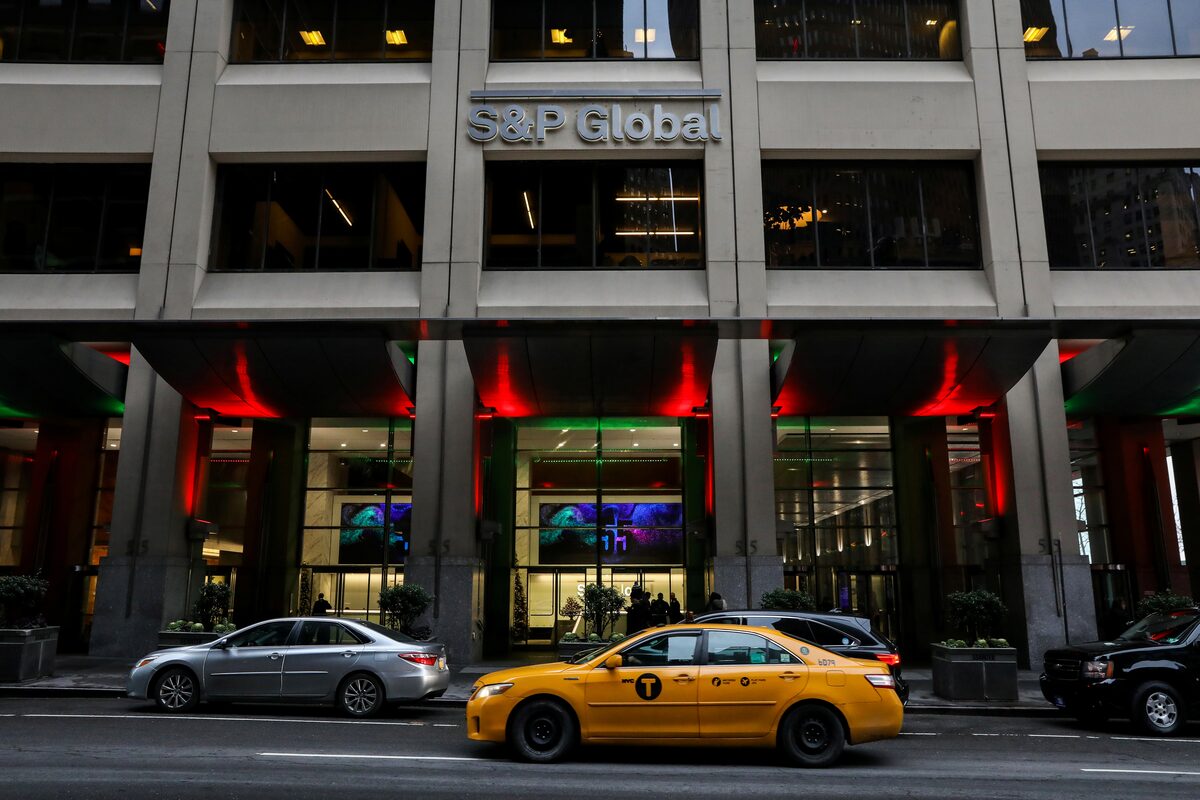
S&P Global Energy has opened an office at the World Trade Center in Abuja, giving the global data and analytics company an on-the-ground base for closer engagement with Nigerian regulators, energy companies, traders and other market participants across West Africa.
The opening turns a previously announced expansion plan into an operational Abuja presence. S&P Global said in October 2025 that the office would support local job creation, training and knowledge transfer while strengthening its coverage of energy, mining and carbon markets. The company’s current office directory now lists its Abuja address on Level 7 of the World Trade Centre Building, 1113 Constitution Avenue in the Central Business District.
A commercial bridge to Nigeria’s energy market
The business case for an Abuja office is proximity. Nigeria’s major energy regulators, federal ministries and many policy-facing industry organisations operate from the capital, while investment decisions increasingly depend on credible market data, transparent pricing and a clearer view of regulation.
At the opening, S&P Global Energy executives framed the new office as a hub for market intelligence and stakeholder engagement. Premium Times reported that company representatives also argued that Nigeria and West Africa could develop into a more influential oil-pricing centre as regional refining capacity and trade flows evolve.
That proposition is commercially significant, but it should be read as an ambition rather than an established outcome. An Abuja office does not by itself create a regional benchmark. Such a shift would require sustained trading activity, transparent transaction data, broad market participation and confidence in the methodology used to assess prices.
Why regional pricing matters
Energy benchmarks influence contracts, risk management, investment decisions and the prices businesses use to evaluate supply. Better visibility into West African market conditions could help refiners, producers, traders, lenders and service companies compare opportunities using information that more closely reflects regional realities.
The Abuja presence may also shorten the distance between data providers and the institutions shaping Nigeria’s energy rules. THISDAY’s account of the launch highlighted the company’s emphasis on market reform and investment conditions, while Follow Global Trends reported plans around local hiring, professional development and knowledge transfer.
What the opening could mean for Abuja businesses
- Energy operators and advisers: easier access to research, pricing intelligence and market specialists could support project evaluation and commercial planning.
- Professional-services firms: law, accounting, compliance, communications and consulting businesses may see new partnership and advisory opportunities as the office builds local relationships.
- Data and technology providers: demand for reliable sector data, analytics, cybersecurity and digital infrastructure can expand around an international information-services company.
- Talent and training providers: the stated focus on local jobs and knowledge transfer may create openings for experienced analysts and specialised training partners.
- Commercial property: the decision reinforces Abuja’s Central Business District as a location for international companies that need regular access to government and regulated industries.
What remains unclear
S&P Global has not publicly disclosed the capital invested in the Abuja office, its initial headcount, a detailed recruitment timetable or the precise services that will be delivered locally. Those gaps matter: they determine the near-term scale of procurement, employment and partnership opportunities.
Businesses should therefore treat the office as a credible market-entry signal, while verifying vacancies, tenders and commercial approaches through official S&P Global channels. They should also distinguish commentary at the launch from formal benchmark methodology or confirmed new products.
Practical next steps
- Confirm office contacts and opportunities through S&P Global’s official website.
- Prepare concise evidence of sector expertise, compliance capability and relevant Nigerian market experience before approaching the company.
- Monitor official methodology and product announcements rather than assuming a new regional price benchmark already exists.
- Verify job advertisements and procurement requests directly to avoid impersonation or payment scams.
Related Reads
- Periwinkle Empire Plans $150m Royalties Tower in Abuja
- Africa Climate Forum Brings Green Investment Deal Room to Abuja
- AfICTA Summit Targets SME Digital Growth and Cybersecurity in Abuja
Leave a Reply
You must be logged in to post a comment.