
The Federal Capital Territory Administration is assessing a consortium-led proposal valued at about $1.5 billion for cleaner mass transit, charging infrastructure, supporting energy systems and digital transport services across Abuja. A separate waste-to-wealth proposal is also under consideration, but neither project has yet been announced as financed, approved or awarded.
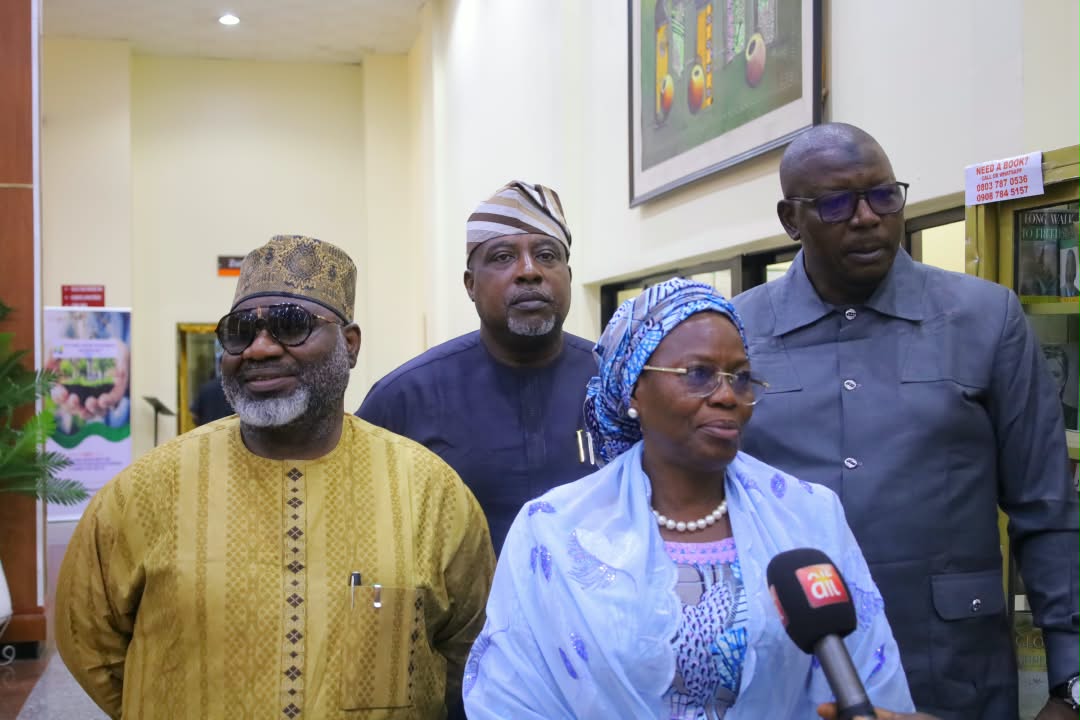
The proposals were disclosed at the FCT Post-COP30 Investment Roundtable held in Abuja on 5 November 2026. Acting FCT Head of Service Nancy Sabanti Nathan said Magnifique Integrated Concept Limited and its consortium partners had submitted the larger integrated e-mobility plan.
According to accounts of the roundtable, the transport proposal could include electric and compressed natural gas buses, charging facilities, energy support and digital fleet services. Hallmark Technologies and General Services Limited presented the second proposal, focused on recycling, composting and other ways of converting municipal waste into economic resources.
The $1.5 billion figure is a proposal, not secured investment
The size of the e-mobility proposal gives the story immediate commercial significance, but the deal stage matters. FCTA officials said the projects will undergo technical and financial feasibility work, risk-allocation reviews and regulatory scrutiny before any public-private partnership agreement is concluded.
No executed concession, financing close, fleet order, procurement timetable or construction start was announced. The $1.5 billion figure should therefore be read as the indicative value of a submitted proposal—not money already committed to Abuja’s transport system.
Where the business opportunities could emerge
If the projects advance, the commercial opportunity would extend well beyond vehicle supply. An integrated urban-mobility programme would require fleet financing, charging hardware, grid and distributed-energy support, depot construction, maintenance, software, payments, route management, driver training and passenger-safety systems.
The waste proposal could create demand for collection logistics, sorting and material-recovery facilities, recycling operators, compost production, equipment maintenance and offtake agreements. Nathan said the waste plan included bio-compost intended to support farming communities in the FCT.
For Abuja businesses, the most relevant entry points may be subcontracting, local supply, fleet operations, charging-site partnerships, technology integration, professional services and project finance. Those opportunities will only become actionable when FCTA publishes a formal procurement, concession or investor-engagement process.
What investors and suppliers should verify
- Project structure: whether the programme will use a concession, availability-payment model, direct user fares or another PPP arrangement.
- Financing: which sponsors, lenders, development-finance institutions or guarantors have made binding commitments.
- Power and charging: the proposed energy source, network locations, tariffs, land rights and grid-connection plan.
- Fleet economics: vehicle numbers, procurement method, local-content requirements, maintenance obligations and replacement cycle.
- Revenue protection: fare policy, ridership assumptions, payment systems and the allocation of demand, currency and regulatory risk.
- Waste offtake: collection rights, feedstock volumes, disposal fees and buyers for compost, recyclables or any recovered energy.
A pipeline signal, not yet a bankable project
The roundtable’s communiqué identified electric mobility, renewable energy, waste management, waste-to-energy and climate-resilient infrastructure as priority areas. FCTA also plans to present investment-ready project portfolios at a COP31 side event as it seeks private and development finance.
That creates a potentially important pipeline for Abuja’s transport, energy and environmental-services markets. The near-term test is whether the administration converts the proposals into published feasibility results, transparent procurement documents and financeable contracts with clear responsibilities and timelines.
Businesses should rely on official FCTA or procurement notices before paying intermediaries or committing resources. None of the reports reviewed for this article identified an open application, tender or investment-subscription channel.
Related Reads
- AEDC, FCDA Open Investor Talks on Abuja Waste-to-Power Plant
- ProTaxi Launches in Abuja With 1,000-EV Driver Plan
- Investors Summit Brings Cross-Border Deal Programme to Abuja
Leave a Reply
You must be logged in to post a comment.