
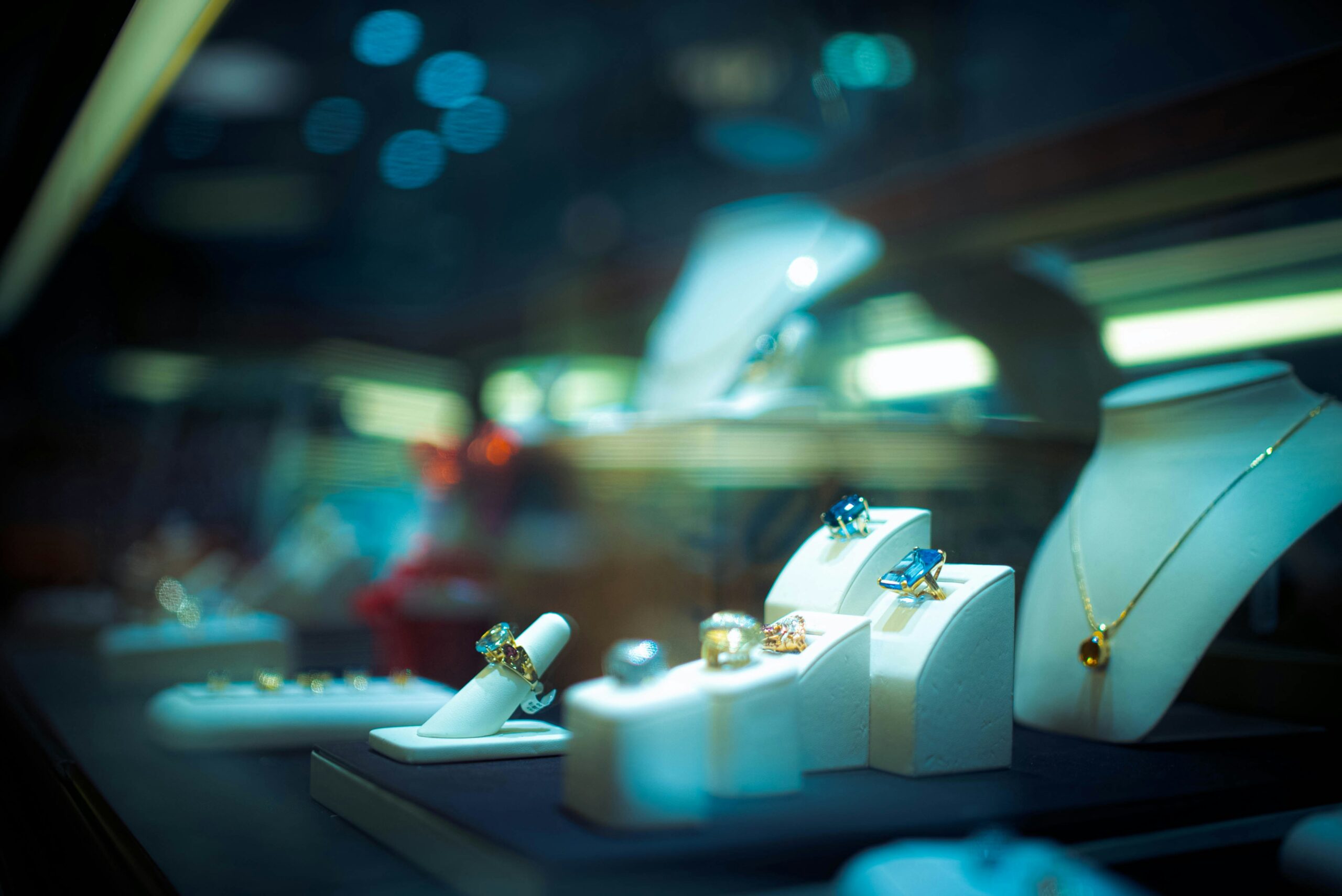
MAKEMS Jewellery & Fashion has opened a flagship showroom in Life Camp, Abuja, giving the locally focused jewellery business a permanent retail base for handcrafted, bespoke and imported collections.
The showroom opened on 7 November at House 12, A Close, Road 11, 1st Avenue, Efab City Estate, according to a company statement reported by The Conclave and Swift Reporters. The opening moves MAKEMS beyond periodic exhibitions into a year-round retail format offering product display, customer consultations and custom-design services.
For Abuja’s consumer market, the launch adds a specialist retailer to the Life Camp corridor and gives locally made jewellery a more formal route to customers alongside selected imported pieces. The commercial scale remains undisclosed: MAKEMS did not publish the cost of the store, floor area, staffing level, sales target or the share of inventory produced locally.
What the new MAKEMS showroom offers
MAKEMS said the store carries bridal sets, traditional wedding accessories, executive statement pieces, gemstone collections, family collections, male accessories and everyday fashion jewellery. It also offers style consultations, bespoke recommendations and access to limited collections.
The assortment combines handmade and locally produced pieces with imported products. That mixed model can broaden customer choice, but it also exposes the business to two different cost structures: artisan materials and labour on the local side, and exchange-rate, freight and import costs on the international side.
The company has previously used exhibitions to market its work in Abuja. A permanent showroom can improve product discovery, fittings, after-sales support and repeat purchases—particularly in categories such as bridal jewellery, custom pieces and milestone gifts where customers often want to inspect items in person.
Why Life Camp matters for the retail strategy
Life Camp combines residential estates, schools, hospitality businesses and access to the Jabi and Gwarinpa markets. A destination showroom in the area can serve nearby households while relying on appointments, referrals and digital marketing to draw customers from across Abuja.
Unlike a conventional mall shop, the Efab City Estate address may offer a more private setting for consultations and bespoke orders. The trade-off is visibility: MAKEMS will need strong signage, accurate map listings, dependable opening hours and online-to-store conversion to make the location easy for first-time buyers to find.
Local craftsmanship meets imported competition
MAKEMS presents local content as part of its positioning, saying its handmade collections support Nigerian craftsmanship and employment. A permanent retail outlet can give artisans a steadier sales channel and provide customer feedback that informs design, pricing and production.
However, the company has not disclosed how many artisans or employees it supports, where its locally used materials are sourced, or what proportion of sales comes from Nigerian-made products. Those figures would help measure the showroom’s contribution to Abuja’s creative economy beyond the opening announcement.
The imported range may help MAKEMS compete on variety and global design trends, but currency volatility can complicate pricing and inventory planning. A larger locally produced share could reduce some foreign-exchange exposure, provided quality, finishing and supply consistency meet customer expectations.
Practical implications for customers and suppliers
- Customers: ask for written details on metal type, gemstone identity, plating, care, resizing, repairs, returns and warranty before buying higher-value pieces.
- Bespoke buyers: agree the design, materials, price, deposit, delivery date and remake policy in writing, particularly for wedding orders.
- Local artisans: the showroom may create opportunities for production or supply partnerships, but commercial terms, design ownership and payment timelines should be clear.
- Event vendors: bridal planners, fashion designers, photographers and stylists may find cross-referral opportunities around weddings and corporate occasions.
- Landlords and retailers: MAKEMS’ move is another test of destination retail in Abuja estates, where appointment-led businesses can trade outside major malls if discovery and trust are strong.
What to watch next
The store’s business impact will depend on whether MAKEMS converts its exhibition audience into repeat showroom sales and builds a reliable pipeline for custom work. Useful indicators would include local production volumes, artisan and employee numbers, additional locations, corporate or bridal partnerships and disclosed customer traffic.
For now, the opening is a credible Abuja retail expansion with a clear local-craft angle, but not a disclosed investment project. No capital value, job count or expansion timetable was announced, so those figures should not be inferred.
Related Reads
- Dee Utensils Expands Wuse 2 Footprint with Larger Abuja Showroom
- TGNews Opens Abuja Headquarters, Expands into 14 Media Services
- D30 Platform Launches in Abuja to Map Tourism and Creative Investment
Leave a Reply
You must be logged in to post a comment.