
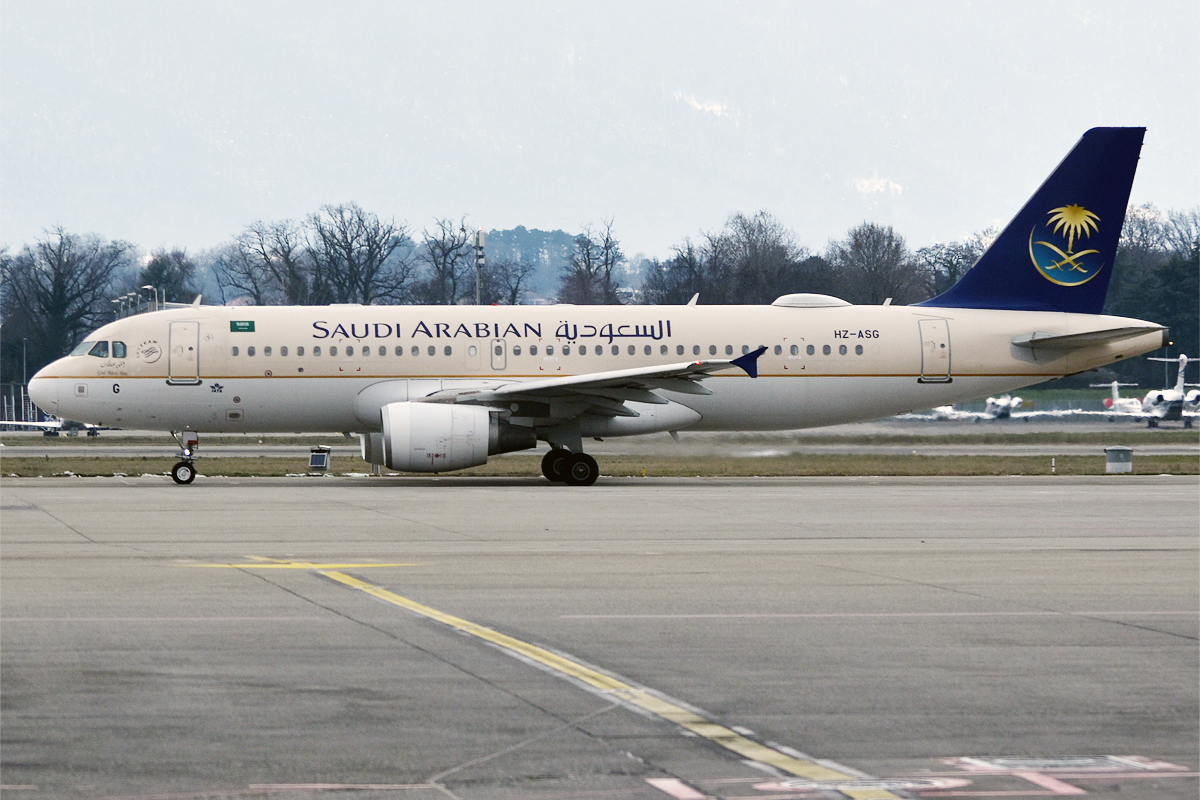
Saudia is scheduled to begin direct flights between Abuja and Jeddah on 1 December 2026, adding a three-times-weekly international link with practical implications for pilgrimage travel, corporate movement, tourism, travel agencies and Nigeria–Saudi commercial ties.
The route will connect Nnamdi Azikiwe International Airport with King Abdulaziz International Airport without the intermediate stop currently required by many Abuja travellers. Nigeria’s ambassador to Saudi Arabia, Dr Yakubu Gambo, reconfirmed the December launch in an interview reported by the News Agency of Nigeria on Monday.
Filed schedules currently show flights on Tuesdays, Thursdays and Sundays. The route is commercially important beyond Hajj and Umrah traffic: it gives Abuja-based businesses another direct gateway into Saudi Arabia and creates new demand across ticketing, airport transfers, accommodation, tour operations and corporate-travel management.
What the filed schedule shows
Current timetable data lists Saudia flight SV337 from Jeddah to Abuja, departing at 8:45 a.m. and arriving at 1:05 p.m. The return service, SV336, is scheduled to leave Abuja at 2:40 p.m. and arrive in Jeddah at 9:55 p.m.
The direct flying time from Abuja to Jeddah is listed at about five hours and 15 minutes over roughly 3,707 kilometres. Three weekly departures are currently filed from 1 December, on Tuesday, Thursday and Sunday.
Published schedules can change before launch, and aircraft assignments may vary. Travellers and travel businesses should confirm the operating day, departure time, baggage allowance, fare conditions and entry requirements directly with Saudia before committing to a booking or onward arrangement.
Why the route matters for Abuja businesses
Jeddah is Saudi Arabia’s principal Red Sea commercial centre and the main aviation gateway for travellers heading to Makkah. A nonstop service reduces itinerary complexity for Abuja residents and for passengers connecting into the capital from North-Central Nigeria.
The immediate business effects are likely to be strongest in five areas:
- Travel agencies and pilgrimage operators: direct capacity creates new packages for Umrah, Hajj and general visits, with fewer connecting-airport risks.
- Corporate travel: companies working with Saudi investors, suppliers or institutions gain a simpler route for meetings, exhibitions and project visits.
- Airport transport and hospitality: scheduled international arrivals can increase demand for transfers, short stays and pre- or post-flight accommodation in Abuja.
- Tourism services: operators can build Saudi-facing leisure and cultural itineraries, provided visa and destination requirements are handled accurately.
- Trade facilitation: the route can support faster movement of executives, samples and time-sensitive business documents, although a dedicated cargo allocation has not been announced.
What travel businesses should prepare
Abuja travel agencies should not treat the route as a pilgrimage-only product. Saudi Arabia is expanding tourism, exhibitions, entertainment and business events, while Nigerian companies increasingly explore Gulf markets for investment, distribution and procurement.
Agencies can prepare route-specific fare monitoring, visa-document checklists, hotel and ground-transport partnerships, corporate-travel support and clear cancellation policies. Pilgrimage operators should separate ordinary visitor arrangements from Hajj processes, which remain subject to official allocations, authorised operators and the rules of the relevant Nigerian and Saudi agencies.
Businesses should also avoid advertising unconfirmed fares or guaranteed visa approvals. The route announcement confirms planned connectivity; it does not override Saudi immigration rules, Hajj regulations or airline conditions.
Commercial implications for the airport ecosystem
A new international service can generate activity beyond ticket sales. Ground handling, catering, fuel supply, security, airport retail, foreign-exchange services, passenger assistance and logistics providers may benefit if the route sustains its initial frequency and attracts connecting traffic.
For Abuja airport, the service strengthens the case for the capital as an international gateway rather than only a domestic and government-travel hub. It also follows FAAN’s rollout of biometric passenger verification at Abuja’s domestic terminals, although the Saudia operation will use international passenger processes and should not be confused with that domestic vPASS launch.
What remains to be verified
The first commercial test will be whether the filed schedule operates consistently through the December peak and the 2027 pilgrimage cycle. Businesses should watch final fare availability, aircraft deployment, baggage rules, group-booking terms, connecting options beyond Jeddah and whether the airline introduces formal cargo capacity.
Nigerian officials have also discussed extending Saudi connectivity to Lagos and Port Harcourt, while Kano already has a direct arrangement. Those proposed additions are separate from the Abuja launch and should not be marketed as active routes until their schedules are confirmed.
Related Reads
- FAAN Sets vPASS Launch as Abuja Joins First Biometric Airport Rollout
- ValueJet Restores Daily Asaba–Abuja Flights from November 20
- Top 10 Travel Agencies and Tour Operators in Abuja — 2026 Guide
Leave a Reply
You must be logged in to post a comment.