
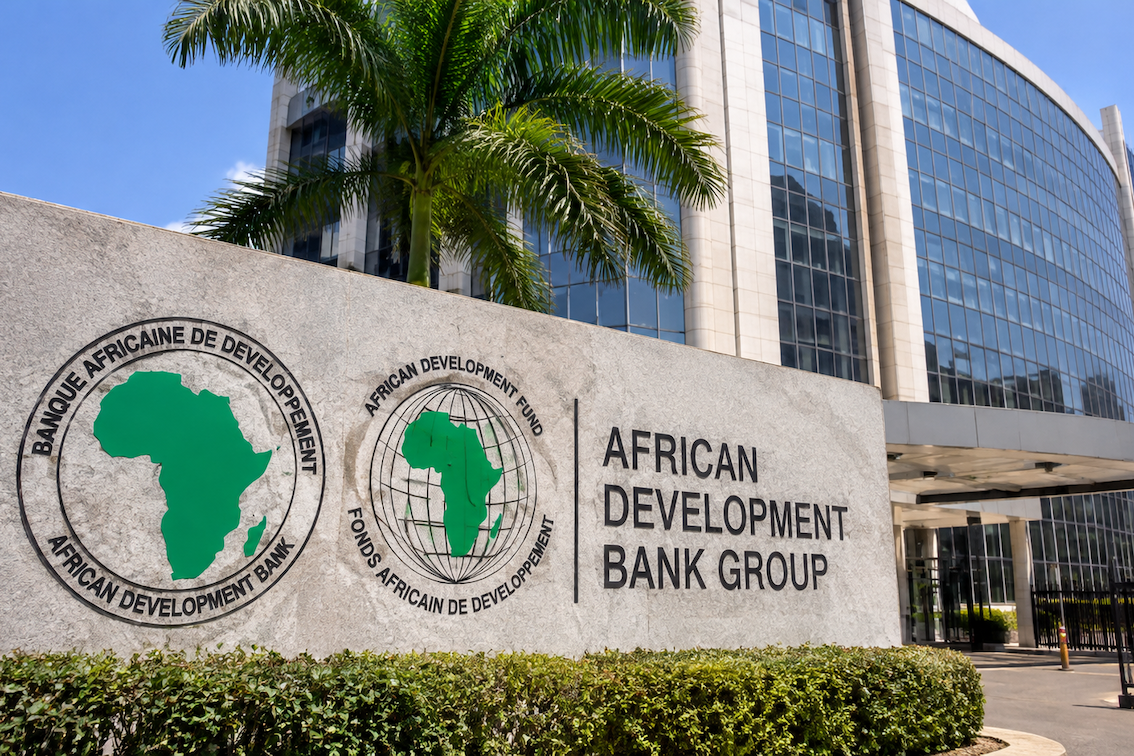
The African Development Bank Group has approved a $102 million financing package for Sterling Bank Nigeria, creating new funding channels for SMEs, women- and youth-led firms, green projects, trade and more than 5,000 vulnerable smallholder farmers.
The development bank announced the approval on 17 November 2026, with independent reports from Abuja confirming the structure. AfDB expects the package to support at least 200 businesses and help create up to 6,000 jobs across Nigeria.
For Abuja entrepreneurs, exporters and professional advisers, the immediate significance is the prospect of longer-term finance routed through a commercial bank. The approval is not, however, a public application notice. AfDB and Sterling Bank have not yet published borrower rates, tenors, security requirements, rollout dates or a dedicated application portal for the package.
What is inside the $102 million package
The package combines four instruments designed for different financing gaps:
- $50 million line of credit: intended to provide competitively priced, longer-term finance to eligible businesses in healthcare, education, agriculture, renewable energy and transportation.
- $20 million sustainable loan: aimed at qualifying green and social projects under Sterling Bank’s Sustainable Financing Framework.
- $2 million concessional agri-food loan: provided under AfDB’s Agri-Food SME Catalytic Financing Mechanism for vulnerable smallholder farmers and agricultural SMEs.
- $30 million trade-finance transaction guarantee: expected to support as much as $150 million in trade transactions by reducing risk on eligible business activity.
AfDB said at least 30% of the $50 million line of credit will be directed to eligible women-owned, women-led and youth-owned enterprises. That allocation floor is commercially relevant, but businesses will still have to meet Sterling Bank’s credit and programme requirements once the bank publishes them.
How farmers and agri-SMEs are expected to benefit
The $2 million concessional component is expected to flow through the Sterling Affordable Microlending Programme, or STAMP, which is being implemented with the UN Refugee Agency. AfDB said the programme should reach more than 5,000 farmers and agricultural SMEs affected by displacement, insecurity and climate-related shocks.
This part of the package is narrower than the headline total. It should not be read as a $102 million grant scheme for farmers. The larger facility contains commercial credit, a sustainable loan and a trade guarantee, while only the $2 million agri-food component is described as concessional.
Why the trade guarantee matters
The $30 million guarantee could have an effect beyond its face value because it is expected to support up to $150 million in trade transactions. Guarantees can help participating banks take risk on import, export and supply-chain activity that might otherwise be constrained by counterparty limits or a shortage of confirming-bank capacity.
For Abuja-based exporters, distributors, healthcare suppliers, renewable-energy companies and transport businesses, the practical opportunity may include letters of credit, guarantees and other trade instruments. Eligibility, pricing and transaction documentation will depend on the products Sterling Bank ultimately launches under the facility.
Practical implications for Abuja businesses
- SMEs: prepare current management accounts, audited statements where available, tax records, bank statements and a clear explanation of how the funding will increase productive capacity.
- Women- and youth-led firms: maintain ownership and governance documents that can substantiate eligibility for the 30% allocation target.
- Green and social enterprises: document measurable environmental or social outcomes and be ready to align projects with Sterling Bank’s sustainable-finance criteria.
- Exporters and importers: organise trade contracts, invoices, shipping documents, counterparty information and evidence of foreign-exchange requirements.
- Agribusinesses: distinguish the STAMP concessional route from ordinary commercial lending and wait for formal beneficiary and geographic criteria.
- Advisers: potential work may include financial modelling, transaction structuring, environmental and social compliance, trade documentation and borrower readiness.
What businesses should verify before applying
Businesses should rely on a formal Sterling Bank announcement or product page before submitting documents or paying any fee. As of publication, the sources reviewed by Abuja Business News did not provide an application deadline, interest rate, collateral schedule, branch list or approved intermediary.
The next execution milestones are the financing agreement becoming operational, Sterling Bank publishing product terms, eligible borrowers receiving approvals and the bank reporting actual disbursements. Until then, the $102 million should be treated as an approved financing envelope rather than cash already available to every SME.
A broader development-finance push
AfDB said the approval follows a $61 million package for the Development Bank of Nigeria to support women-led businesses and a $200 million facility for the Bank of Industry. Together, the three approvals show development-finance institutions using Nigerian banks and wholesale lenders to extend capital to businesses that can meet credit, sector and impact requirements.
The commercial test will be whether the new package produces affordable, usable finance at scale. Businesses will judge it by published terms, approval times, disbursement volumes and the number of viable firms and farms that can convert the funding into jobs, trade and productive assets.
Related Reads
- DBN Launches $275m Climate Finance Programme; Abuja SMEs Can Apply
- Afreximbank Commits $75m to DBN for SME and Creative Finance
- NADF, Sahel Capital Plan Lower-Cost Finance for Agribusiness SMEs After Abuja MoU
Sources
- African Development Bank Group — Nigeria: AfDB provides $102 million through Sterling Bank for SMEs and smallholder farmers, 17 November 2026.
- Nairametrics — AfDB approves $102 million financing for Nigerian SMEs, farmers, 17 November 2026.
- African Press Agency — AfDB approves $102m facility to finance SMEs in Nigeria, 18 November 2026.
Leave a Reply
You must be logged in to post a comment.