
Abuja Investments Company Limited has received approval to develop additional markets, shops and shopping malls in emerging districts of the Federal Capital Territory, opening a potential pipeline of organised retail space while leaving investors and traders waiting for project, funding and allocation details.
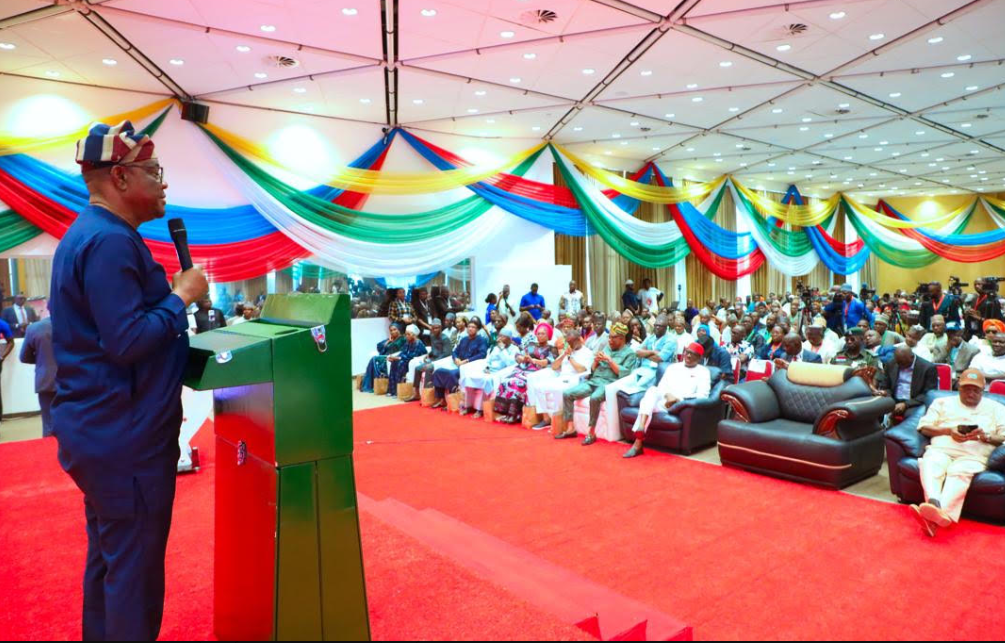
The approval was announced at an 18 November town hall meeting between FCT Minister Nyesom Wike and market associations at the Bola Ahmed Tinubu International Conference Centre. The FCTA’s official account said AICL had been cleared to develop new district markets as part of a wider response to requests from Abuja’s business community.
Independent reports identify Katampe and Kaura among the areas proposed for new facilities. Those districts were named during the traders’ request, however, and the administration has not yet published a project schedule confirming specific parcels, designs or delivery dates for either location.
What the approval covers
The immediate commercial decision is the authorisation for AICL to pursue additional markets, shops and malls in newly opened parts of the territory. AICL is the FCT-owned investment holding company, while its market-management subsidiary operates several established commercial centres.
Nigeria Info reported that the approval followed a request by the Wuse Market Traders Association for AICL to create more trading space across the territory. Katampe and Kaura were cited as areas expected to benefit as residential and commercial activity moves into newer districts.
The official FCTA release used broader language, confirming approval for “new district markets” without publishing a definitive location list. That distinction matters: the policy approval is confirmed, but individual sites should not be treated as awarded construction projects until AICL or the FCTA issues formal documentation.
Why this matters for Abuja’s retail property market
Abuja’s expansion has created a familiar mismatch. Housing, offices and road links are moving into emerging districts faster than formal neighbourhood retail infrastructure in some locations. That can push residents toward distant established markets, encourage informal roadside trading and increase pressure on older centres.
Purpose-planned markets and malls could bring shops, storage, parking, utilities, sanitation and safety systems closer to new residential catchments. For developers and service providers, the projects could also create work across design, construction, leasing, facilities management, security, waste handling, payments and logistics.
The business case will depend on price and format. A conventional enclosed mall, an open market and a neighbourhood shopping cluster serve different customers and carry very different development and operating costs. AICL has not said which model will be used in each district.
The commercial details still missing
No number of projects, investment value, financing structure, land size, procurement route or construction timetable was disclosed in the announcement. There is also no published shop-allocation process, rent or service-charge schedule, concession framework, private-partner invitation or application portal.
Those gaps mean the announcement is not yet an open investment or tenancy offer. Contractors, financiers and traders should wait for notices issued through AICL, the FCTA or the relevant procurement authority before paying agents, reserving spaces or preparing bids.
The most useful next disclosure would separate each proposed site into land status, concept design, delivery model, capital requirement and completion target. It should also explain how affordable stalls for smaller traders will sit alongside larger shops and mall units.
Wuse Market safety intervention
The town hall also produced approval for a dedicated fire station inside Wuse Market, according to the FCTA release and Independent. A permanent station could shorten emergency response time and protect stock, shops and livelihoods in one of Abuja’s busiest commercial centres.
This is separate from the fire truck that AICL says it has already inaugurated for Wuse Market. AICL’s own website also records the earlier launch of a 1MW solar mini-grid for the market. The new development is therefore the proposed on-site fire-station facility, not the first provision of any fire-response equipment.
For traders, the distinction is practical: a truck is an asset, while a staffed station requires a site, personnel, maintenance, water access, training and operating protocols. The administration has not published the station’s delivery date or operating plan.
Practical implications for businesses
- Traders: new locations could broaden customer reach and reduce pressure on established markets, but there is no verified allocation process yet.
- Developers and contractors: the approval may lead to design, building and infrastructure tenders; no procurement notice has been issued.
- SMEs: affordability will be decisive. Rent, service charges, payment terms and stall sizes remain unknown.
- Retail service providers: formal facilities can create demand for payments, logistics, security, cleaning, power and facility-management services.
- Property investors: better retail infrastructure can strengthen mixed-use districts, but announced locations should not be priced as completed assets.
- Wuse Market operators: the proposed fire station could improve business continuity if it is delivered with trained personnel and reliable operating systems.
What to watch next
AICL’s next steps will determine whether the approval becomes a credible project pipeline. Key signals include board-approved concepts, site surveys, environmental and planning approvals, procurement notices, financing mandates and named delivery partners.
Traders should also watch for a transparent allocation policy. Abuja’s commercial-property market has strong demand, but new market projects create the most inclusive business impact when smaller operators can access properly serviced space without opaque intermediaries or unaffordable upfront costs.
Until those details are published, the verified development is an important policy and project-development mandate—not the commencement of construction, the opening of applications or a completed investment deal.
Related Reads
- Polo Residences, Imperial Villas Begin Construction in Maitama
- Crystal Bricks Opens New Abuja Office in Life Camp
- Rising Abuja Shop Rents Push Traders Towards Online Sales
Sources
- FCTA press release, republished by SEB Media, 19 November 2026.
- Nigeria Info Abuja — Wike approves construction of additional markets in FCT’s new districts, 18 November 2026.
- IBTimes Nigeria — Wike approves development of new markets and shopping malls in Katampe and Kaura, 19 November 2026.
- Independent — Wike approves fire station for Wuse Market, new district markets, 21 November 2026.
- AICL — fire truck and 1MW solar mini-grid for Wuse Market.
Leave a Reply
You must be logged in to post a comment.