
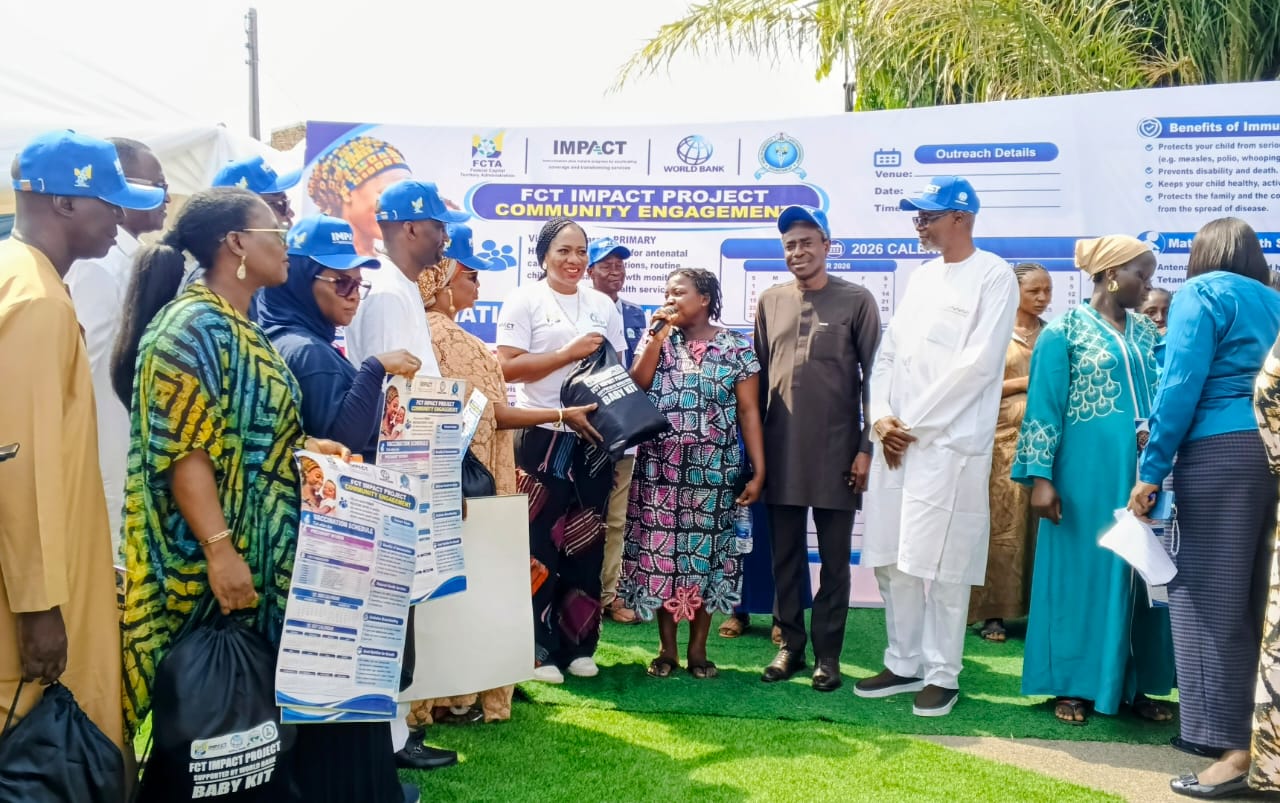
The Federal Capital Territory Administration says it has refurbished and equipped 20 primary healthcare centres across all six FCT area councils under a World Bank-supported programme. Beyond expanding community healthcare capacity, the investment introduces a longer-term requirement for reliable medical supplies, power-system maintenance, equipment servicing and accountable facility operations.
The announcement was made on Monday, 23 November 2026, at the inauguration of the renovated Owner-Occupier Model Primary Healthcare Centre in Kubwa. The FCTA’s Abuja Digest, the News Agency of Nigeria (NAN) and independent reporting by Premium Times covered the development on 23 November. The inauguration in Kubwa is a specific completed milestone; the sources do not establish that all 20 centres were commissioned that day.
What the infrastructure programme delivers
The works form part of the Immunisation Plus and Malaria Progress by Accelerating Coverage and Transforming Services (IMPACT) project, implemented with the support of the World Bank and the National Primary Health Care Development Agency. FCT health officials described improvements covering clinical equipment, staff accommodation and solar-powered electricity, designed to support continuous operation.
FCT Primary Health Care Board Executive Secretary Dan Gadzama reported that more than 70 laptops and tablets had been purchased to improve health data reporting and more than 250 healthcare workers had received training. These are figures reported by the implementing authority, not independently audited procurement or employment totals.
The board said the FCT signed its agreement with the World Bank in February 2025, received its first disbursement in September 2025 and secured an extension of the project to December 2026. The reports reviewed did not disclose the FCT-specific contract value or provide a comprehensive site-by-site procurement breakdown.
Why the upgrades matter to Abuja’s healthcare market
Primary healthcare is the entry point to the wider medical system. More dependable local facilities could help residents obtain routine treatment nearer home and reduce avoidable journeys to larger hospitals. That potential is particularly relevant to satellite-town households, workers and small-business owners whose income can be affected by lengthy travel and time away from work.
For operators in the health supply chain, renovated buildings are only one part of the picture. Equipment requires calibration and servicing; solar installations require upkeep; medical consumables need regular replenishment; and digital devices need secure management and connectivity. These are ongoing operational requirements rather than evidence of newly advertised tenders.
Insurance, transport and operating costs
FCT health officials also reported an initiative to enrol at least 1,000 vulnerable residents in health insurance during the Kubwa engagement. The administration said eligible beneficiaries would receive a year of coverage at accredited facilities, including selected private hospitals. The enrolment figure was a stated target for the event, not confirmation that all 1,000 registrations were completed.
Premium Times reported that the emergency transport arrangement involves commercial drivers as well as ambulances, with participating drivers receiving enhanced fares for eligible patient transport. The sources do not establish an open recruitment round for drivers or a universal response-time guarantee.
Business implications and what to monitor
- Healthcare suppliers: follow formal procurement notices and verify specifications, accreditation and payment terms before committing stock.
- Facility and energy service providers: monitor authorised maintenance arrangements, particularly for solar systems, equipment and backup power.
- Private hospitals and insurers: track accreditation, referral and reimbursement arrangements rather than assuming every facility participates.
- Employers and SMEs: monitor actual service availability and eligibility rules as part of local workforce welfare planning.
The important measures after the upgrades will be facility uptime, equipment functionality, stock availability, staffing, actual patient access and continuity of funding after the project closes. The verified news is the administration’s announced infrastructure upgrades and the Kubwa inauguration, not a new investment solicitation, guaranteed business contract or demonstrated reduction in mortality.
Related Reads
- Eleos Hospital Commissions Abuja Robotic Surgery Platform, Expands Private Specialist Care
- AMCE Abuja Is Now Open: What the Medical Centre Offers
Sources
- Abuja Digest, 23 November 2026: FCTA account of the upgrades and Kubwa engagement
- News Agency of Nigeria: infrastructure, equipment and workforce training
- Premium Times, 23 November 2026: independent reporting on facility upgrades and insurance arrangements
- Voice of Nigeria, 23 November 2026: project timeline and healthcare delivery
Leave a Reply
You must be logged in to post a comment.