
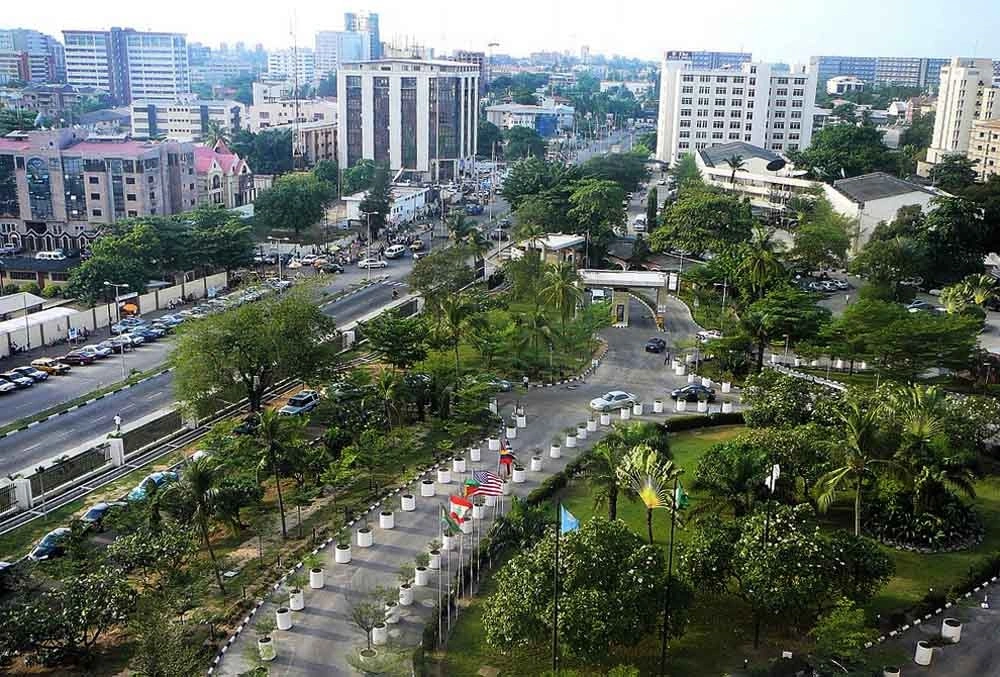
Abuja rents are rising. Here is what the market is telling us.
From Maitama and Wuse 2 to Lokogoma, Kubwa and Lugbe, tenants are confronting higher asking rents, additional transaction costs and intense competition for well-maintained homes.
Abuja’s rental market is no longer defined only by expensive homes in Maitama and Asokoro. Rent pressure is spreading across middle-income districts and satellite communities as housing supply, infrastructure, construction costs and household incomes move at very different speeds.
The Federal Capital Territory continues to attract civil servants, diplomats, entrepreneurs, professionals, students and families. That demand is colliding with a limited supply of properly serviced housing, particularly homes with dependable electricity, water, security and road access.
There is no single reliable “average Abuja rent.” Property type, finishing, estate services, road condition and exact location can produce major price differences within the same district. The figures below are broad 2026 asking-price indicators—not formal property valuations or guaranteed transaction prices.
What tenants may encounter across Abuja
Current advertised prices indicate a sharply segmented market. Prime diplomatic districts command the highest premiums, while traditionally affordable locations are also recording substantial increases.
Premium apartments can move well above this level depending on size, furnishing, services, security and diplomatic-grade specifications.
Indicative annual asking range for many two-bedroom apartments, with newer luxury developments commanding substantially higher prices.
A broad two-bedroom indicator. Estate quality, access roads, water supply and proximity to major routes can materially change the final price.
A 2026 market report cited a two-bedroom apartment that had rented for roughly ₦1.2 million in 2023 reaching as much as ₦2.5 million.
These indicators combine current market reporting and advertised listings. Asking prices are not always the same as completed rental transactions. Confirm the exact property, service charges and payment terms before making a commitment.

Why rents continue to rise
- Housing supply is not matching demand. New development is visible across Abuja, but much of the professionally finished supply targets upper-income buyers and tenants rather than households seeking affordable homes.
- Construction and maintenance are more expensive. Cement, reinforcement, imported fittings, diesel, labour and finance costs affect both new construction and the cost of maintaining existing properties.
- Homeownership remains difficult. High property prices, limited mortgage access and elevated interest rates keep more households in the rental market for longer.
- Infrastructure changes neighbourhood values. New roads, commercial developments and improved connectivity can increase demand—and rent expectations—in surrounding communities.
- Short-let demand competes with long-term housing. In districts such as Jabi, Wuse 2, Maitama and Asokoro, professionally managed short-let apartments can reduce the pool of well-finished units available to annual tenants.
- Service quality now carries a larger premium. Tenants increasingly pay more for homes with reliable power, water, drainage, security, parking and properly maintained access roads.
The real cost is more than the advertised rent
A property advertised at an acceptable annual rent may require a significantly larger upfront payment once transaction and occupancy costs are added.
Request a written breakdown before paying. Confirm who is receiving each fee and obtain a receipt.
Ask what the charge covers, how often it is reviewed and whether electricity or diesel is billed separately.
Ensure the tenancy agreement explains deductions, inspection requirements and the refund process.
Test water, power, plumbing and appliances and document existing defects before moving into the property.
How to navigate the market more safely
- Set an all-in housing budget. Include rent, service charges, agency fees, legal fees, commuting costs, electricity and water—not rent alone.
- Compare total living costs between districts. A cheaper property far from work may become more expensive after daily transport, time and vehicle-maintenance costs.
- Inspect in person. Visit during daylight and, where possible, after rainfall. Check drainage, access roads, water pressure, mobile coverage, electricity arrangements and security.
- Verify the landlord or authorised representative. Do not rely solely on photographs, social-media listings or a verbal assurance from an agent.
- Read the agreement before transferring money. Confirm the tenancy period, renewal terms, repair responsibilities, notice provisions and every additional fee.
- Keep a complete payment record. Use traceable payment methods and retain receipts, agreements, inspection photographs and correspondence.
Higher rent does not automatically mean a better investment
Rising asking rents can improve the income potential of a residential property, but gross rent is only one part of the calculation. Vacancy, maintenance, management, security, diesel, service-charge shortfalls and tenant turnover can materially reduce net returns.
Investors should compare realistic annual income with the property’s total acquisition and operating cost. Location demand should also be tested beyond launch-stage marketing: access, infrastructure, title documentation, tenant profile and property management quality remain decisive.
Prime districts may provide stronger capital preservation and corporate demand, while selected middle-income and satellite locations can offer broader tenant demand. Each segment carries different vacancy, maintenance and affordability risks.
What comes next for Abuja housing?
Abuja is likely to remain a high-demand rental market, but its long-term health depends on more than luxury development. The city needs a deeper supply of properly serviced, well-connected homes that middle-income and lower-income households can realistically afford.
For tenants, preparation and verification are becoming as important as location. For investors, the opportunity lies in matching the right property and price point with durable tenant demand—not simply following headline rent increases.
Editorial source note
Market examples were reviewed against reports and advertised asking-price data available in 2026. Listing data can overrepresent premium properties and should not be treated as a formal valuation.
Make your next Abuja property decision with better information.
Follow Abuja Business News for property intelligence, business opportunities and market developments across Nigeria’s capital.
Leave a Reply
You must be logged in to post a comment.