
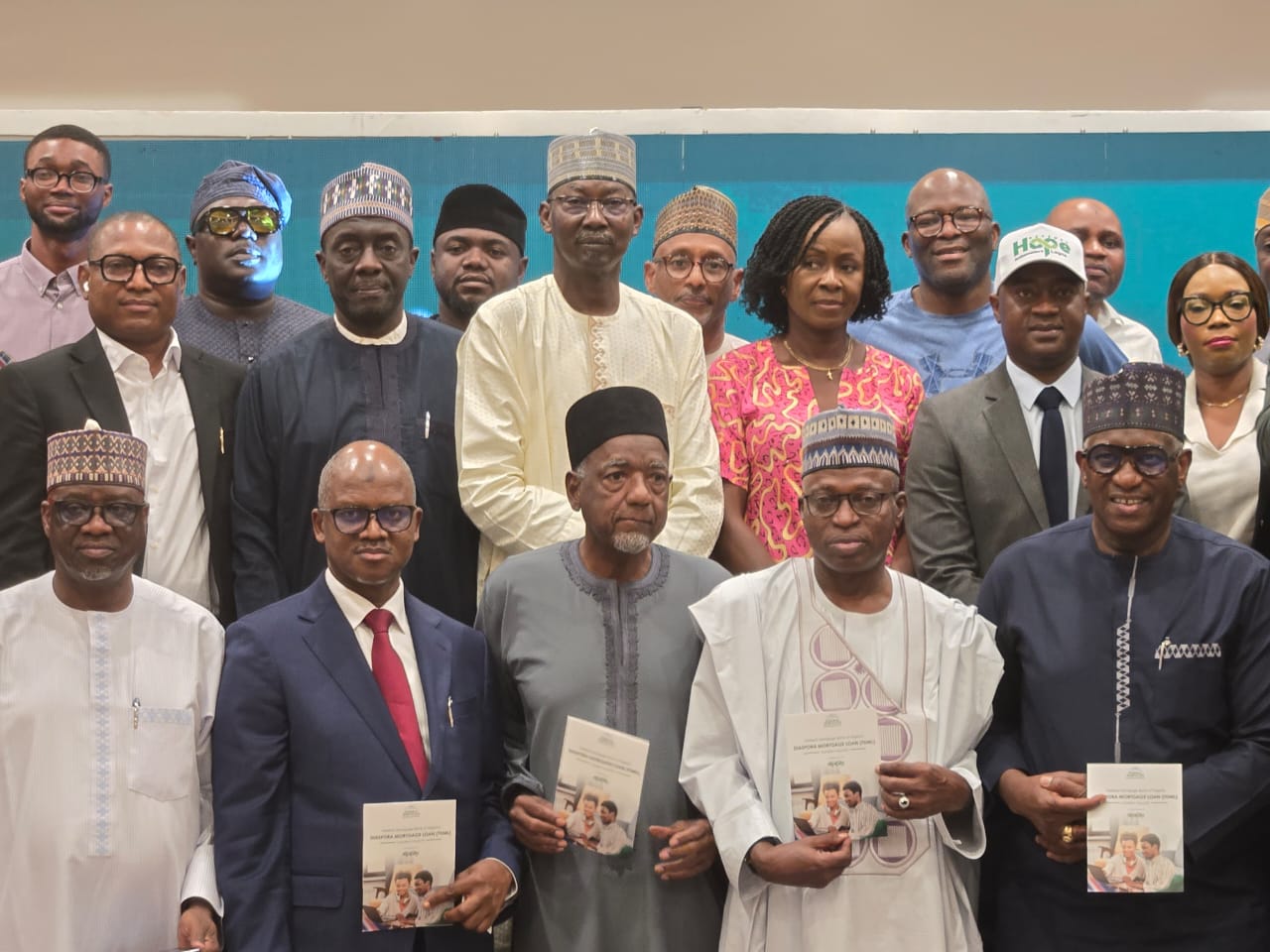
The Federal Mortgage Bank of Nigeria says its diaspora mortgage product has attracted contributions from Nigerians in 31 countries across six continents within months of launch, providing an early international adoption signal for a scheme designed to channel diaspora income into regulated home finance.
FMBN Managing Director and Chief Executive Shehu Usman Osidi disclosed the geographic reach during the 9th Nigeria Diaspora Investment Summit engagement held on 10 November 2026. The bank launched the National Housing Fund Diaspora Mortgage Loan in London on 7 August.
The announcement is commercially significant for Nigeria’s mortgage and residential-property market, but it is not yet a measure of completed housing transactions. FMBN did not disclose the number of contributors, the value of contributions received, the countries represented, applications submitted, mortgages approved or funds disbursed.
How the diaspora mortgage works
Under terms described by FMBN and independently reported by Voice of Nigeria and BusinessDay, eligible Nigerians abroad aged 18 to 70 may contribute through three monthly tiers: $100 for Basic, $200 for Classic and $300 for Premium.
The current structure provides eligibility to apply for mortgage financing after 24 months in the Basic tier, 18 months in Classic and 12 months in Premium. Eligible contributors may access up to ₦100 million, subject to affordability and other requirements, with a 10 per cent equity contribution and repayment periods of up to 10 years.
FMBN’s official launch statement also states a 9 per cent annual interest rate and digital registration and know-your-customer processes. Applicants should nevertheless obtain the latest written product schedule directly from FMBN before remitting money because eligibility, pricing, insurance, approved payment channels and documentation requirements can change.
Why the 31-country reach matters
Geographic spread across six continents suggests that demand for a formal homeownership route extends beyond the largest Nigerian diaspora markets. It also gives FMBN a broader base from which to mobilise long-term housing funds, provided contributors remain active and the scheme converts contributions into verified mortgage applications.
The bank says the product was developed with the Central Bank of Nigeria, including regulatory arrangements, recommended International Money Transfer Operators and a dedicated account for receiving and holding contributions. FMBN has also established a Global Business Strategic Unit for oversight and customer support.
These controls address a genuine market problem. Nigerians abroad often face difficulty verifying property titles, developers, construction progress and intermediaries from a distance. A regulated mortgage channel can reduce some risks, but it cannot eliminate poor project selection, defective title, construction delays or foreign-exchange exposure.
Commercial implications for Abuja
FMBN is headquartered in Abuja, placing the capital at the centre of the scheme’s administration, institutional partnerships and developer engagement. Stronger diaspora participation could create opportunities for primary mortgage banks, developers, valuers, estate surveyors, insurers, legal advisers, construction companies and property-technology providers operating in the FCT.
The product is national, however, and the 31-country figure should not be interpreted as money committed specifically to Abuja property. The immediate local opportunity will depend on the volume of verified housing inventory available in the capital, transparent pricing, clean title, construction quality and whether projects meet FMBN’s approval standards.
For developers, diaspora demand can support off-plan and completed-home sales only where buyers can independently confirm title and delivery capacity. For mortgage and property-service firms, the opportunity lies in building auditable digital onboarding, remote inspection, milestone reporting, escrow and after-sales processes rather than relying solely on marketing.
What prospective contributors should verify
- Official channel: confirm registration, payment and customer-support details directly with FMBN; avoid personal accounts and unverified agents.
- Complete cost: request the current interest rate, equity requirement, insurance, valuation, legal, application and administrative charges in writing.
- Eligibility timeline: understand the contribution period for the selected tier and that eligibility to apply is not the same as automatic loan approval.
- Foreign-exchange exposure: calculate the naira value of contributions and repayments under different exchange-rate scenarios and check remittance charges.
- Property due diligence: verify title, planning approvals, developer track record, construction milestones, handover terms and independent inspection rights.
- Exit and refund terms: obtain written rules governing missed contributions, withdrawal, refunds, default and what happens if a suitable property is not selected.
What to watch next
The next meaningful indicators are contributor count, total funds received, applications, approvals, disbursements, completed purchases and the geographic distribution of financed homes. Publication of those figures would allow the market to assess whether international interest is becoming measurable mortgage demand.
Until then, contributions from 31 countries are a credible reach milestone—not evidence that 31 national markets have produced completed mortgages or that ₦100 million is available automatically to every contributor.
Related Reads
- Housing Ministry Proposes ₦1tn FMBN Recapitalisation at Abuja Roundtable
- NiDCOM Sets Abuja Investment Summit Around $100bn Diaspora Potential
- Rising Abuja Shop Rents Push Traders Toward Online Sales
Leave a Reply
You must be logged in to post a comment.