
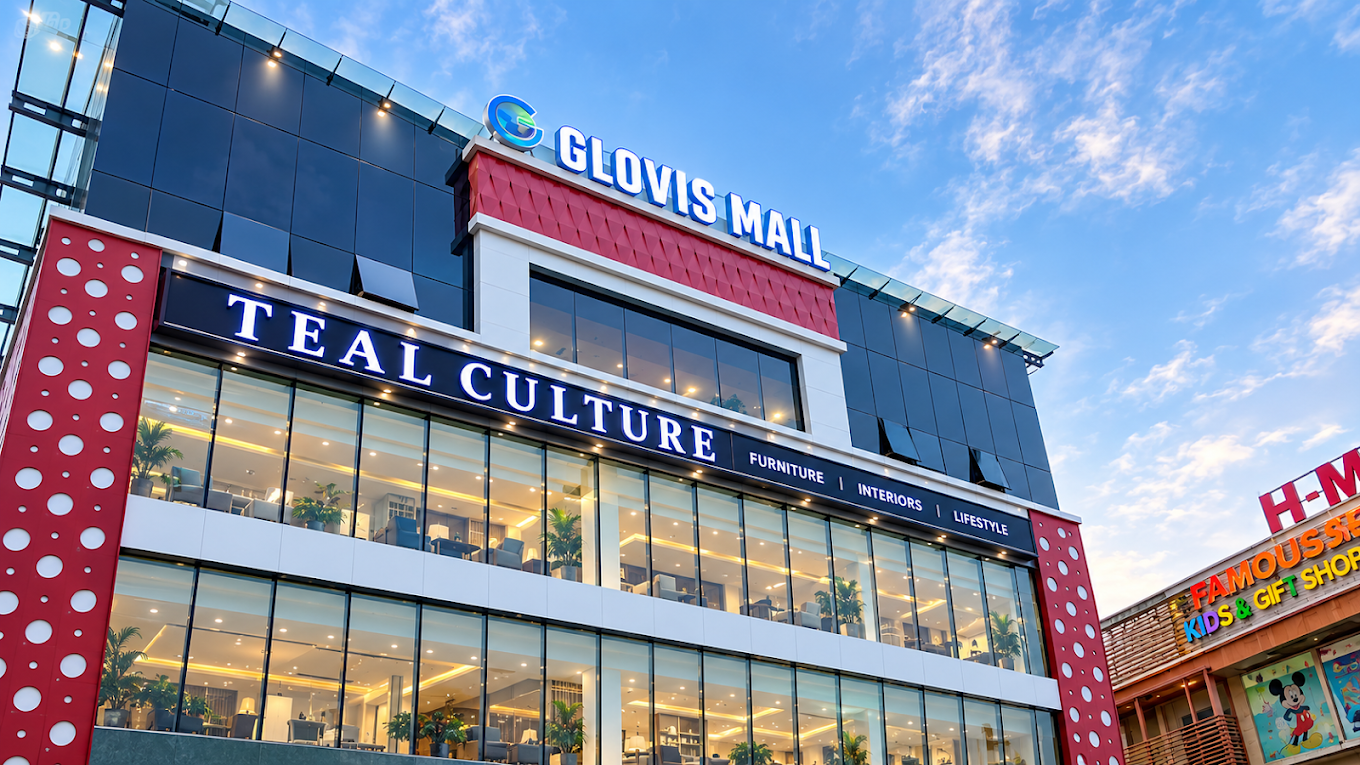
Interior-design and furniture retailer Teal Culture has expanded from Lagos to Abuja with the opening of its second showroom on Aminu Kano Crescent, Wuse 2, positioning the business to serve demand from residential developers, homeowners and companies investing in fitted-out commercial spaces.
The business, a subsidiary of Teal Harmony Limited, held its Abuja grand-opening event on Thursday, 19 November 2026, according to public event listings. The Guardian reported the completed opening on 22 November. The expansion follows Teal Culture’s first retail outlet in Victoria Island, Lagos, which opened in 2023.
Why Teal Culture chose the capital
Chief Executive Officer Folakemi Oloye linked the move to Abuja’s residential construction activity and demand for more deliberately curated interiors. She said the company had assessed the local opportunity after participating twice in the African Housing Show, where it observed interest in development and property-related services.
The showroom model is built around furnished experience spaces rather than shelves of isolated items. Customers can see sofas, tables, lighting, finishes and decorative pieces used together, helping them imagine how products might work in a home or office before buying.
Teal Harmony began as an interior-design studio in 2015, according to Oloye’s account. Retail showrooms represent a different route to market: professionally selected furniture and decor can be sold to clients who want design guidance without necessarily commissioning a full bespoke interior-design project.
Property development drives demand beyond household retail
Wuse 2 is a prominent commercial and hospitality district. A showroom in the area can make the company more visible to corporate buyers, developers, landlords, design consultants and residents seeking furniture for new or renovated properties.
For the wider Abuja market, furniture retail is connected to the property pipeline. New housing, serviced apartments, restaurants, offices and refurbishments can generate demand for seating, fitted pieces, textiles, lighting and installation services. But the presence of an expanding retailer is not itself evidence of a measured increase in construction spending or consumer purchasing power.
Teal Harmony’s company website separately describes work in office fit-outs, project management and interior design, including projects beyond Lagos. The new Teal Culture showroom should not be confused with a new manufacturing plant or a funded real-estate development; the confirmed event is a retail-location opening.
Financing and skilled labour remain obstacles
Oloye identified expensive credit as a constraint on furniture and interior-design businesses. Working capital is needed for stock, suppliers, logistics, fabrication and installation, while imported materials and lengthy project cycles can place additional pressure on cash flow.
She also advocated shared production facilities where specialist makers could access equipment without each business financing an entire factory. That was an industry proposal, not an announced Teal Culture factory investment or a verified public financing scheme.
Skills are another bottleneck. A project combining custom furniture, interiors and fit-out services often depends on designers, joiners, upholsterers, installers, project managers and reliable contractors. Oloye argued that specialisation and collaboration would support quality and sustainable careers.
Practical implications for Abuja businesses
- Property developers and landlords: a local curated showroom offers an additional sourcing option for furnishing and staging, but product specifications, warranties and delivery commitments should be checked.
- Architects and designers: a broader supplier base may support project selection and client demonstrations; request accurate lead times, materials and pricing.
- Hospitality operators: evaluate finish durability, maintenance requirements, replacement options and installation schedules when sourcing furniture for commercial environments.
- Artisans and makers: the expansion highlights possible demand for specialist production and installation services, although no recruitment or supplier tender has been publicly confirmed.
- Customers: compare total costs, returns policy, measurements, delivery terms and after-sales service before committing to large purchases.
What has not been disclosed
The company did not provide a verified showroom investment value, annual sales forecast, store size, new employment count or official expansion budget in the reports reviewed. No claims about those figures are made here. Future evidence of demand will come from sustained operations, partnerships, inventory breadth and market performance.
Related Reads
- Top 10 Furniture Companies and Showrooms in Abuja
- Top 10 Interior Design Companies in Abuja
- Polo Residences Starts Imperial Villas Construction in Maitama
Leave a Reply
You must be logged in to post a comment.