
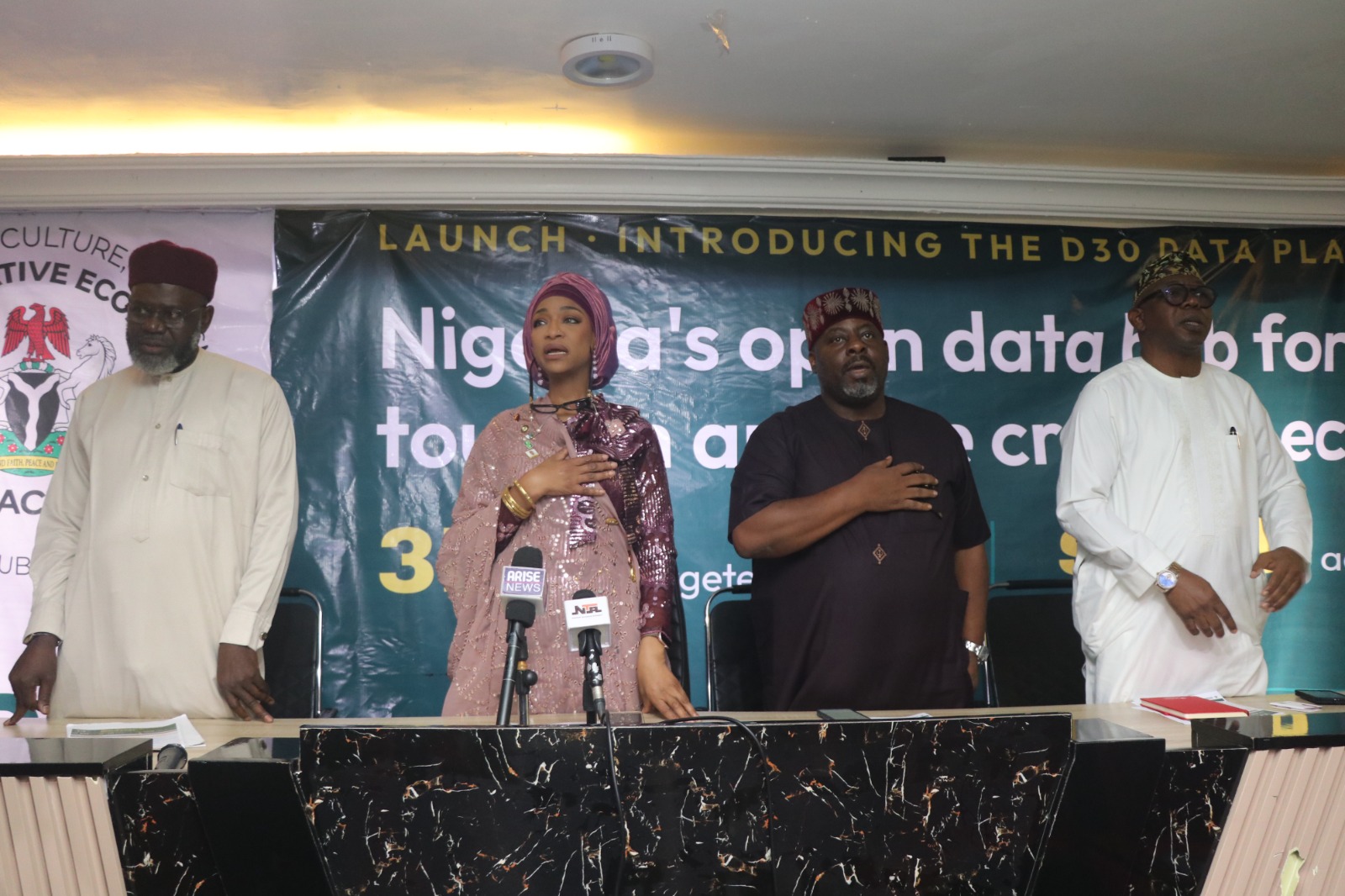
Nigeria has launched the Destination 2030 (D30) data platform in Abuja, positioning a privately supported digital intelligence system as a tool for investors, tourism operators and creative businesses to identify opportunities, infrastructure gaps and potential areas for expansion.
The Federal Ministry of Art, Culture, Tourism and the Creative Economy unveiled the platform on 13 October. The ministry says D30 will consolidate sector data, research, mapping and economic intelligence that have previously been fragmented across agencies, states and industry groups.
The project was developed with Cavista Technologies, a subsidiary of Cavista Holdings. At the launch, Cavista Holdings said it had committed private funding and technical expertise to the platform, giving the initiative a public-private structure rather than leaving delivery solely to government.
Why the platform matters to investors
Tourism and creative-economy investment is often difficult to evaluate because reliable information on assets, visitor infrastructure, creative professionals, operating constraints and government interventions is scattered or incomplete. D30 is intended to bring those elements into a central intelligence resource.
For an investor considering a film-production facility, hospitality development, festival business or tourism destination, better mapping can improve early-stage screening. It can show where attractions and creative clusters are located, where infrastructure is weak and which markets may support new services.
Cavista Technologies says the system provides digital infrastructure for mapping and visualising cultural, tourism and creative assets across all 36 states and the Federal Capital Territory. The commercial value will depend on whether users can move from a national overview to sufficiently detailed, current and verifiable information for an investment decision.
An Abuja opportunity beyond government data
Although the platform has a national remit, its launch in Abuja creates a practical opportunity for businesses that operate around federal institutions and the capital’s visitor economy. Hotels, event venues, tour operators, museums, galleries, production companies and creative agencies could use stronger market intelligence to plan expansion, partnerships and new products.
There is also a professional-services market around the data. Research firms, technology vendors, mapping specialists, financial advisers, property consultants and transaction advisers can help turn a list of assets or gaps into bankable projects. Abuja-based companies that understand procurement, regulation and public-private partnerships may be well placed to support investors moving from discovery to due diligence.
For smaller enterprises, the most useful output may be visibility. A credible national database can make locally owned attractions, creative businesses and service providers easier for financiers, distributors and potential partners to find. That benefit will be limited, however, if participation is difficult, listings are not verified or the information becomes outdated.
The $100bn target needs context
The ministry links D30 to its broader Destination 2030 roadmap, which targets more than three million jobs and a $100 billion contribution to gross domestic product from tourism and the creative economy by 2030. Those figures are policy ambitions, not a forecast of what the platform alone will deliver.
Data can reduce information risk and help direct capital, but it does not replace transport links, reliable utilities, security, skills, financing or predictable regulation. The platform will be commercially meaningful only if institutions contribute accurate information and investors can use it to identify opportunities that survive detailed financial and operational checks.
What businesses should watch next
The first test is access: which datasets are public, how detailed they are and whether businesses can search them without specialist support. The second is maintenance. A platform designed for investment decisions needs clear ownership, update schedules, data standards and a way for operators to correct inaccurate records.
The third test is conversion. Useful performance indicators would include verified assets added, qualified investor enquiries, projects advanced to feasibility, financing mobilised and enterprises that secure measurable commercial opportunities through the system. Publishing those outcomes would help distinguish a working investment tool from a promotional database.
For Abuja businesses, the immediate practical step is to review the platform when access is available, verify how their sector or asset is represented and prepare the operating and financial information an investor would need beyond a directory listing. D30 may improve discovery; businesses will still need credible numbers, clear ownership and investable plans to close transactions.
Related Reads
- Nigeria Fashion Week Debuts in Abuja With 40+ Designers and Buyer Forum
- SciBiz 2026 Opens in Abuja With Research-to-Market Focus
- NITDA Sets ₦3bn Startup Deal Pipeline for Abuja Builders Festival
Leave a Reply
You must be logged in to post a comment.