
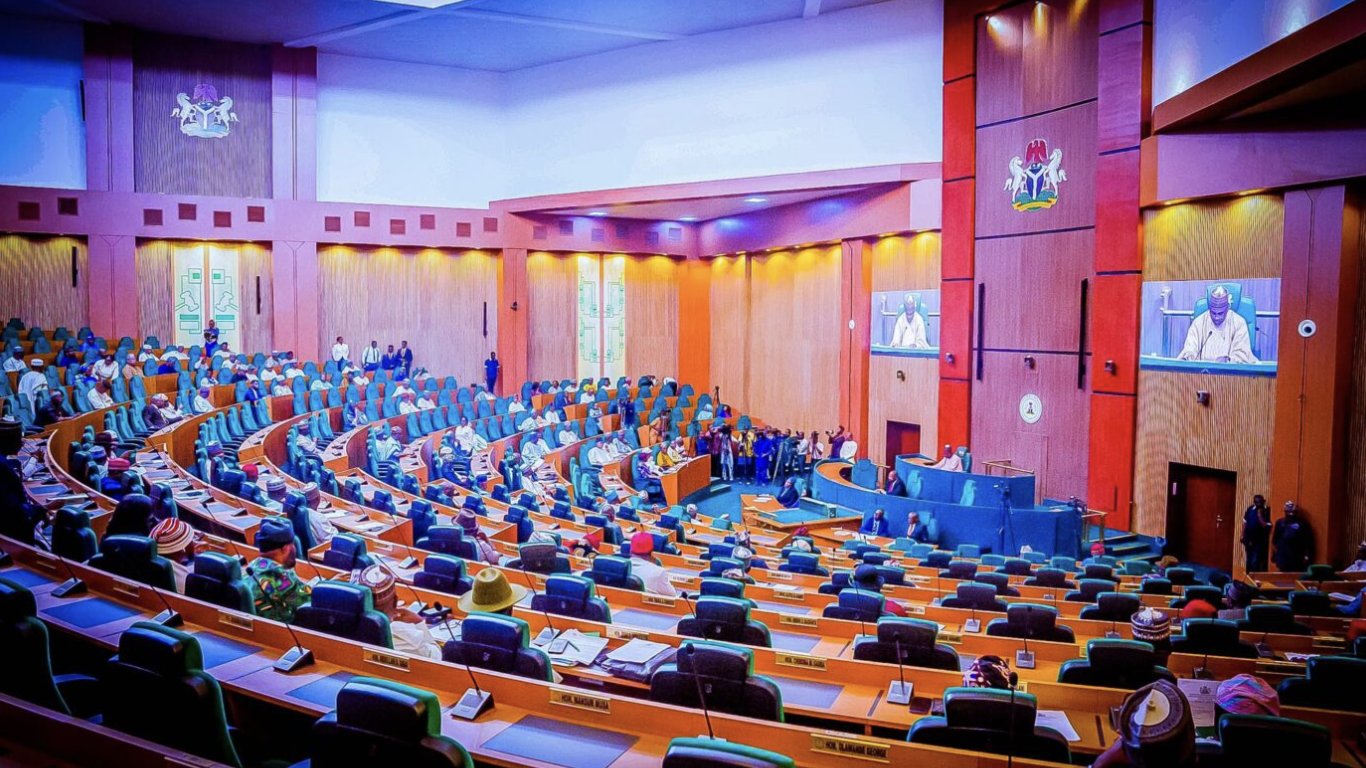
A new House of Representatives bill would prohibit landlords, estate agents and property managers from making more than 12 months’ advance rent a compulsory condition for residential or commercial tenancies in the Federal Capital Territory. The proposal could reshape cash flow, documentation and enforcement across Abuja’s property market, but it passed only its first reading on 22 October 2026 and is not yet law.
The Federal Capital Territory Advance Rent Regulation and Tenants’ Protection Bill, 2026 — House Bill 2839 — is sponsored by Paul Nnamchi and co-sponsored by Ahmed Doro. Its commercial significance extends beyond household accommodation because the draft legislation applies to both residential and commercial tenancies in the FCT.
If enacted in its present form, the measure would prevent a landlord or intermediary from demanding, receiving or compelling payment of more than one year’s rent in advance as a condition for granting, renewing or continuing a tenancy. It would also target attempts to bypass the limit through compulsory service charges, separate agreements, artificial renewals or other arrangements.
What the bill proposes
| Proposal | Potential business effect |
|---|---|
| Maximum compulsory advance rent of 12 months | Reduces large upfront commitments for tenants but may change landlord cash-flow planning |
| Residential and commercial coverage | Brings offices, shops and other business premises within the proposed framework |
| Written tenancy agreements | Requires clearer disclosure of rent, payment schedules, deposits, charges and responsibilities |
| FCT rental regulator | Creates a specialised channel for complaints, compliance notices, mediation and refunds |
| Corporate fines of ₦5m–₦20m | Raises compliance exposure for property companies and institutional landlords |
The proposal would still allow a tenant to pay more than 12 months voluntarily, provided the tenant initiates the arrangement without coercion, threats, discrimination or retaliation and the payment is documented in writing. That distinction will matter in practice: landlords and agents may need evidence that any longer prepayment was genuinely tenant-led rather than a disguised condition.
New compliance obligations for Abuja property operators
The bill would require a written tenancy agreement before or at the beginning of a tenancy. The document would need to state the rent, payment schedule, duration, refundable deposits, additional charges and the rights and responsibilities of both parties.
For estate agencies and property-management companies, the practical impact could include revised offer letters, standardised fee disclosures, better payment records and closer controls over staff or intermediaries negotiating leases. Commercial landlords that currently finance maintenance or development through multi-year advance payments may also need alternative working-capital arrangements.
The proposed FCT Rent Regulation and Tenants’ Protection Authority would investigate complaints, monitor compliance, facilitate dispute resolution and order refunds of rent collected unlawfully. Premium Times reports that it would also maintain a public register of letting agents where registration is required and provide complaint channels across the FCT, including satellite towns.
Penalties could materially affect property businesses
Individuals who knowingly violate the advance-rent restriction could face fines ranging from ₦500,000 to ₦5 million. A corporate offender could face a fine of between ₦5 million and ₦20 million, while failure to comply with a valid regulatory notice could attract an additional fine of up to ₦1 million.
The authority could direct a landlord or agent to refund an unlawful payment within 30 days. Courts could also order refunds, compensation for proven losses or payment of lawful costs. At the same time, the bill preserves a landlord’s right to recover rent and possession through lawful procedures and allows appeals to the FCT High Court.
What investors and tenants should watch
- Legislative progress: the bill must advance beyond first reading, pass both chambers and receive presidential assent before it can become law.
- Final definitions: businesses should watch how the legislation defines compulsory charges, deposits, service charges and voluntary prepayments.
- Regulatory cost: registration, reporting or compliance fees for agents and property managers have not yet been fully established.
- Market response: landlords may adjust annual rents, security requirements or tenant-screening practices if multi-year advances are restricted.
- Commercial leasing: the final treatment of long-term office and retail leases will be important for developers, operators and corporate occupiers.
The immediate takeaway is therefore preparation, not compliance action. Abuja property businesses can review their standard agreements and payment structures, but the 12-month limit and proposed fines are not currently enforceable. The bill’s commercial effect will depend on its final wording, implementation rules and whether the proposed authority has the capacity to resolve disputes efficiently.
Related Reads
- Guzape Property Values Rise 20–30% as Abuja Office Rents Gain
- Nile University Breaks Ground on 4,500-Seat Abuja Hall, 65 Staff Homes
Sources
- Premium Times — bill details and first-reading status, 22 October 2026
- The Guardian — proposed FCT advance-rent restriction, 22 October 2026
- BusinessDay — commercial penalties and refund provisions, 23 October 2026
- National Institute for Legislative and Democratic Studies — 2026 policy brief on rent regulation
Leave a Reply
You must be logged in to post a comment.