
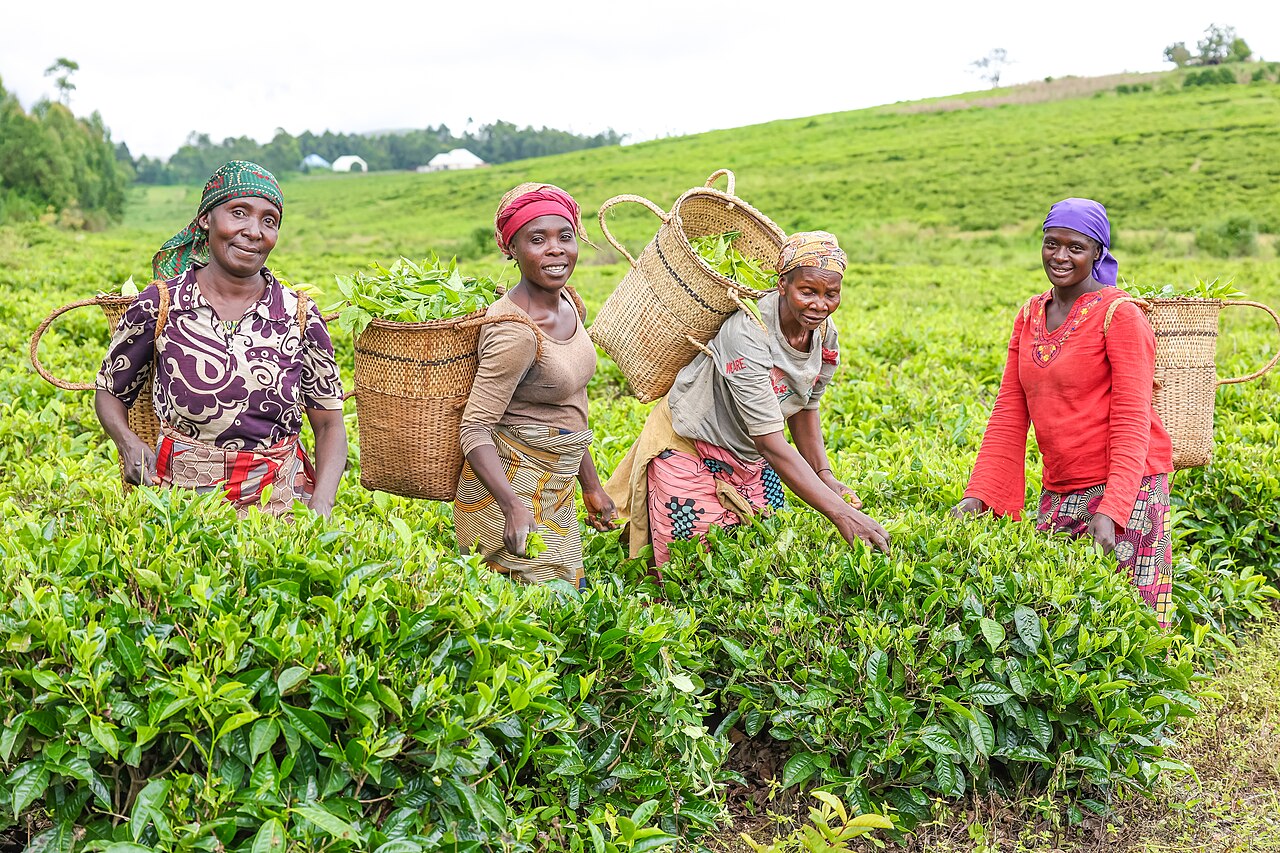
The Nigerian International Tea & Coffee Festival is scheduled to open a three-day Abuja programme today, bringing investment discussions, MSME showcases, buyer–seller meetings and export-readiness sessions into one agribusiness platform.
The third edition of the festival runs from 5 to 7 November 2026, according to the organiser’s current programme. It is the first edition to combine tea and coffee after two earlier tea-focused events, broadening the commercial agenda to processors, brands, cafés, equipment suppliers, financiers, retailers and export-service providers.
For Abuja’s business community, the value of the event lies less in its festival branding than in its attempt to connect several parts of the value chain: production, processing, packaging, finance, market access and consumer-facing hospitality. That combination can help businesses test partnerships and demand, although an event platform is not the same as a completed investment or supply contract.
What the programme covers
The organiser lists an opening ceremony and investment session for 5 November at the State House Banquet Hall. The investment programme is built around processing and manufacturing, finance, public–private partnerships, export development and technology.
Activities on 6 and 7 November are scheduled for the Arts and Craft Village beside the Shehu Musa Yar’Adua Centre. The published programme includes exhibitions, an MSME marketplace, business-to-business and government-to-business meetings, investor matching, buyer–seller engagement and export-readiness support.
The official schedule says venues and programme details remain subject to confirmation and security arrangements. Businesses planning to attend should therefore verify access directly with the organiser before travelling.
The commercial case beyond the farm
Nigeria’s tea and coffee opportunity is not limited to cultivation. A larger share of value can be created downstream through cleaning, grading, roasting, blending, packaging, branding, distribution and food-service formats. Those activities need machinery, working capital, quality assurance, logistics, design and route-to-market partners—areas where Abuja-based service companies and investors can participate even without owning farms.
The festival’s “Beyond the Farm” theme points to that wider value chain. In practical terms, the strongest business outcomes would be measurable: processors securing reliable supply, producers meeting buyer specifications, brands obtaining distribution, exporters completing standards and documentation, and investors moving from introductions to due diligence.
Where Abuja businesses can participate
- Processors and consumer brands: explore local sourcing, contract processing, private-label production and retail distribution.
- Cafés, hotels and restaurants: identify Nigerian products for menus, gift packs and corporate hospitality.
- Packaging and equipment suppliers: present solutions for roasting, blending, filling, sealing, labelling and storage.
- Banks and investors: assess equipment finance, working-capital structures and investable value-chain businesses.
- Logistics and export-service firms: support aggregation, warehousing, documentation, standards compliance and shipment preparation.
- Retailers and distributors: test products, pricing, shelf readiness and regional demand.
Commercial signals—and limits
As of publication, the organiser had not disclosed signed investment commitments, transaction values, confirmed purchase contracts or verified volumes arising from the 2026 event. The investment session should therefore be treated as a deal-origination and networking channel, not evidence that finance has already closed.
Prospective partners should verify buyer identities, required volumes, pricing formulas, payment terms, quality specifications, delivery windows and any exclusivity provisions. Export-facing businesses should also confirm the relevant NAFDAC, Standards Organisation of Nigeria and Nigerian Export Promotion Council requirements, as well as packaging, traceability, foreign-exchange and logistics costs.
Access and timing
The organiser’s website lists general visitor access at ₦5,000 and VIP access at ₦30,000, with registration required. Its separate curated investment-session page carried a 30 October application and payment deadline, so businesses should not assume late access to that closed application stream. The independent VisitAbuja listing corroborates the 5–7 November dates but contains an inconsistent “Free” label; the organiser’s current ticket and venue information should take precedence.
For participants, the best use of the three days is to arrive with a defined commercial objective, a short capability statement, product samples where relevant, unit economics and a clear follow-up plan. That turns a broad sector event into a practical pipeline for partnerships, finance or sales.
Related Reads
- Giri Agro-Processing Hub Targets $105m Investment in Abuja
- Akara Café Opens at Pavillon Garki After Fidelity FundHer Win
- Dangote Pushes Local Supply Chains at Abuja Trade Fair
Leave a Reply
You must be logged in to post a comment.