
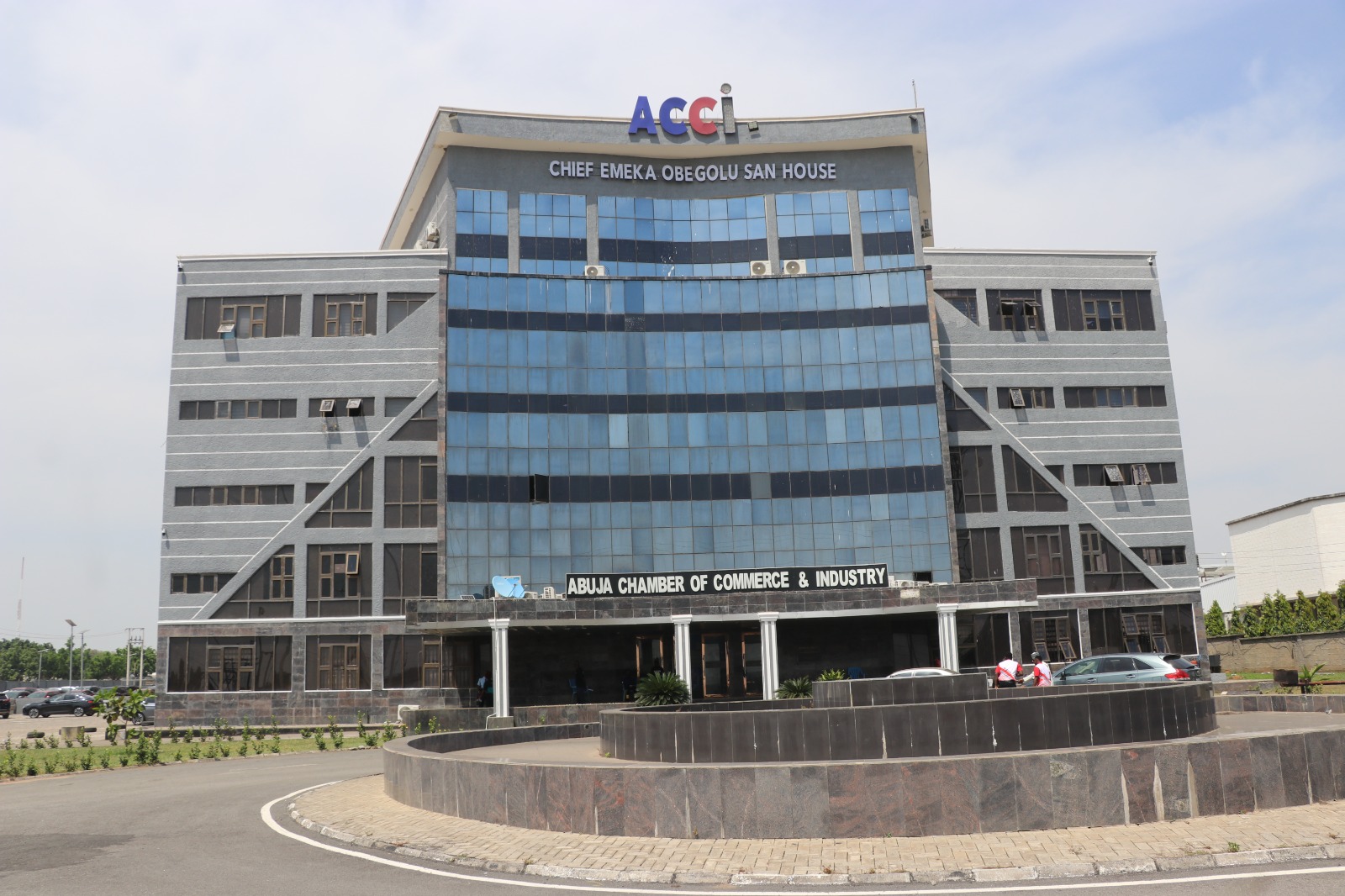
The Abuja Chamber of Commerce and Industry and its partners have inaugurated a Farm-to-Table Digital Innovation Hub in the capital after reporting digital-skills training for more than 470 agriculture-focused entrepreneurs and small businesses across Abuja and Nasarawa. The commercial test now is whether those skills translate into repeat sales, better records, stronger buyer links and measurable business growth.
The Farm-to-Table Digital Innovation Hub (F-TAIP DIH) was formally launched on Friday, 20 November 2026, at the Prince Adetokunbo Kayode SAN Trade and Convention Centre of the Abuja Chamber of Commerce and Industry (ACCI). Its opening was reported by Chamber Telegraph on 20 November, The Guardian on 21 November and Voice of Nigeria on 21 November. Those publication dates should not be mistaken for the date of the launch itself.
Who is behind the Abuja hub?
The consortium brings together ACCI’s Business Entrepreneurship Skills and Technology (BEST) Centre, the University of Abuja’s Centre for Entrepreneurship Development and Student Mentorship, and Innovo & Crescentia Limited. ACCI identifies the European Union, Germany through GIZ and the Government of Denmark as development supporters of the initiative.
According to ACCI BEST Centre’s launch account, First Deputy President and incoming ACCI President Professor Adesoji Adesugba described the hub as a platform for digital capabilities, business development support and better agricultural market linkages. The inauguration marks the establishment of a support platform, not the opening of a new processing plant or the announcement of a publicly quantified investment.
More than 470 participants trained: what is verified?
Dr Thuweba Diwani, Head of Project at GIZ Digital Transformation Centre Nigeria, said more than 470 agro-entrepreneurs and agricultural micro, small and medium-sized enterprises (MSMEs) across Abuja and neighbouring Nasarawa had received practical training associated with the hub. The topics included digital marketing, electronic record-keeping, mobile payments and access to online markets; the programme said women made up a majority of participants.
Diwani also reported programme assessment findings indicating that participants’ digital-maturity scores nearly doubled and that more than 85% had applied some of the digital tools taught. These are programme-reported outcomes, rather than independently audited figures for increased revenue, job creation or profitability. No independently verified turnover growth, loan disbursement, or number of new purchase contracts was provided in the sources reviewed.
That distinction matters: training attendance is an early output, while actual business impact requires evidence such as more consistent sales records, lower transaction friction, repeat orders and better delivery performance over time.
Why digital tools could matter to Abuja’s food supply chain
Abuja’s food economy depends on producers, traders, processors, delivery operators, retailers and hospitality businesses, many of which source products from surrounding states. A small supplier that keeps dependable digital inventory and transaction records may find it easier to quote a wholesale buyer, follow up on orders, document payments or assess margins.
For small enterprises, the immediate uses of technology need not be sophisticated. A business catalogue on a phone, electronic receipts, consistent stock records and properly managed mobile payments can be more useful than an expensive system that staff cannot maintain. Digital adoption, however, does not automatically solve expensive logistics, spoilage, unreliable electricity or access to affordable capital.
University of Abuja Vice-Chancellor Professor Hakeem B. Fawehinmi pointed to potential applications of artificial intelligence, satellite imagery, digital marketplaces and financial technology across agricultural value chains. These were examples of technologies that could improve performance, not evidence that all such systems have been deployed to hub beneficiaries.
Where the business opportunity lies—and what remains unconfirmed
For agribusinesses, a credible hub could provide a channel for skills support, technology demonstrations, partnerships and more structured connections between producers and buyers. For retailers, processors and food-service buyers in Abuja, digitised supplier information may make sourcing and quality verification easier if participating businesses maintain accurate records and fulfil orders reliably.
The project also points to service opportunities for bookkeeping providers, payment platforms, logistics firms, agricultural advisers and software vendors. These are potential commercial effects of improved digital readiness, not announced contracts or open procurement opportunities.
The launch coverage did not establish a publicly available next-cohort application link, selection deadline, stipend amount, grant allocation, subsidised loan product or guaranteed buyer contract. Businesses should therefore verify any invitation or financing claim through the official ACCI BEST Centre before supplying personal documents, transferring fees or making commitments.
Practical next steps for agro-MSMEs
- Producers and traders: prepare an accurate product list, current quantities, delivery locations and basic sales history before exploring any future hub support.
- Food processors: document input costs, processing losses, batch records and recurring orders to establish a baseline against which digitisation can be measured.
- Retail and hospitality buyers: request verifiable supplier details, product standards, lead times, payment terms and fulfilment references rather than assuming digital presence guarantees reliability.
- Technology providers: focus on affordability, low-bandwidth use, staff training and ongoing service, especially for businesses operating with limited technical capacity.
- Potential participants: monitor the official Farm-to-Table programme information and confirm eligibility and any fees directly with organisers.
What to watch after the unveiling
The meaningful follow-up indicators will be the next intake and eligibility conditions, the number of businesses actively using digital tools after training, buyer-supplier matches, repeat commercial transactions and any independently measured change in costs or revenue. Until those data emerge, the verified news is a newly inaugurated Abuja support hub and previously delivered skills training—not a proven investment return or guaranteed SME funding window.
Related Reads
- CEA Nigeria Brings Smart-Farming Suppliers and Investors to Abuja
- Zeenab Foods Opens Abuja Supplier Prequalification for Eight Commodities
- Canada-Backed TRISEG Targets Export Support for 200 Nigerian SMEs
Leave a Reply
You must be logged in to post a comment.