
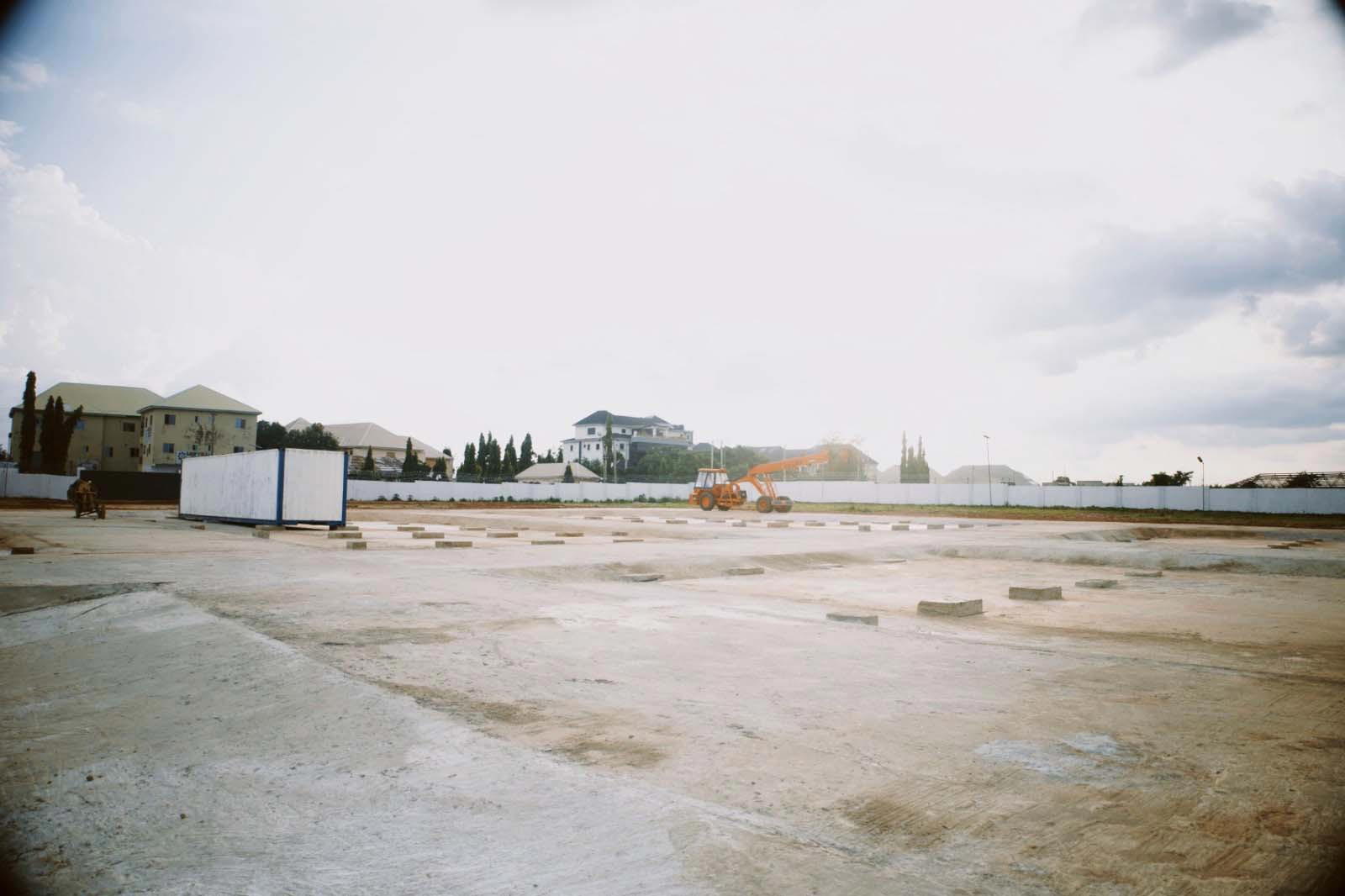
A privately operated bonded warehouse with stated capacity for about 700 containers has begun operations in Kuje, creating a new inland option for eligible Abuja-bound cargo to be stored, processed and cleared under Nigeria Customs Service supervision.
TRÏNŪ Bonded Warehouse, a subsidiary of Sirlyon Limited, says the facility is designed for importers, exporters, freight forwarders and clearing agents serving Abuja and Northern markets. Vanguard reported that eligible cargo can move from maritime ports to the Kuje facility under Customs bond before final clearance closer to its destination.
What the Kuje facility offers
The operator lists container and general-cargo storage, cargo handling and consolidation, weighbridge services, customs documentation and clearance support. The facility also provides office accommodation for the Nigeria Customs Service and other regulatory agencies so that required processes can take place where the cargo is stored.
A bonded warehouse is not an ordinary commercial store. Under the Nigeria Customs Service licensing framework, imported goods can remain in a secure, customs-controlled facility pending payment of duties, release or another authorised customs procedure. Movement from the port must follow the applicable bond, documentation and carrier rules.
The warehouse is privately operated; it should not be confused with a government-owned inland dry port. Its commercial value will depend on how reliably port transfers, customs examination, documentation and release work in practice.
Why the opening matters for Abuja trade
Importers whose goods are destined for Abuja have traditionally managed crucial clearance activity through coastal port locations, while also arranging long-haul transport to the capital. Moving eligible containers inland under bond can shift part of that workflow closer to the final market.
That could improve coordination among importers, agents, distributors and regulators, particularly for businesses supplying Abuja, Nasarawa, Niger, Kaduna and other Northern markets. It may also support more predictable inventory planning by giving companies an inland storage and processing point instead of relying exclusively on port-area facilities.
But lower cost and faster clearance are potential benefits, not automatic outcomes. Total landed cost will still depend on port dwell time, bonded transport charges, documentation quality, duties, examination requirements, warehouse tariffs, storage duration and the efficiency of final release.
Commercial opportunities around the warehouse
- Importers and distributors: a closer clearance point may simplify the movement of machinery, consumer goods, construction inputs and other Abuja-bound cargo.
- Freight forwarders and licensed agents: the facility creates another service location for documentation, cargo handling and customer coordination.
- Transport operators: bonded port-to-Abuja movement and final-mile delivery could create demand for compliant haulage and cargo-tracking services.
- Warehousing and supply-chain providers: consolidation, inventory control, insurance, security and technology services can develop around the inland logistics hub.
- Abuja-based manufacturers and contractors: proximity may help businesses plan the arrival of imported equipment and inputs, provided release timelines are dependable.
What businesses should verify first
- Confirm that the specific cargo, port route and customs procedure qualify for movement under bond to Kuje.
- Request a complete tariff schedule covering bonded transport, handling, storage, examination, weighbridge use and any third-party fees.
- Verify the warehouse’s current Customs licence or facility code through official channels before transferring cargo or making payment.
- Agree responsibility for documentation, transit insurance, seals, security and the clearing agent’s role in writing.
- Compare the full port-to-destination cost and expected release time with conventional port clearance rather than evaluating the warehouse fee alone.
What has not been disclosed
Public reports do not state the project’s capital cost, site area, initial employment numbers, tariff structure, licence number or guaranteed clearance timeline. The operator’s 700-container figure is a stated capacity, not evidence of current throughput. Businesses should seek documentary confirmation of these operational details before committing shipments.
Leadership and The Authority independently reported the commissioning and service scope. The operator says it intends to develop additional inland logistics infrastructure, although no locations, investment value or expansion timetable have been publicly confirmed.
Related Reads
- NPA Moves Export Processing Inland: What Abuja Businesses Need to Know
- S&P Global Energy Opens Abuja Office, Deepens West Africa Market Intelligence Push
- Periwinkle Empire Enters Abuja With Planned $150m Royalties Tower
Leave a Reply
You must be logged in to post a comment.