
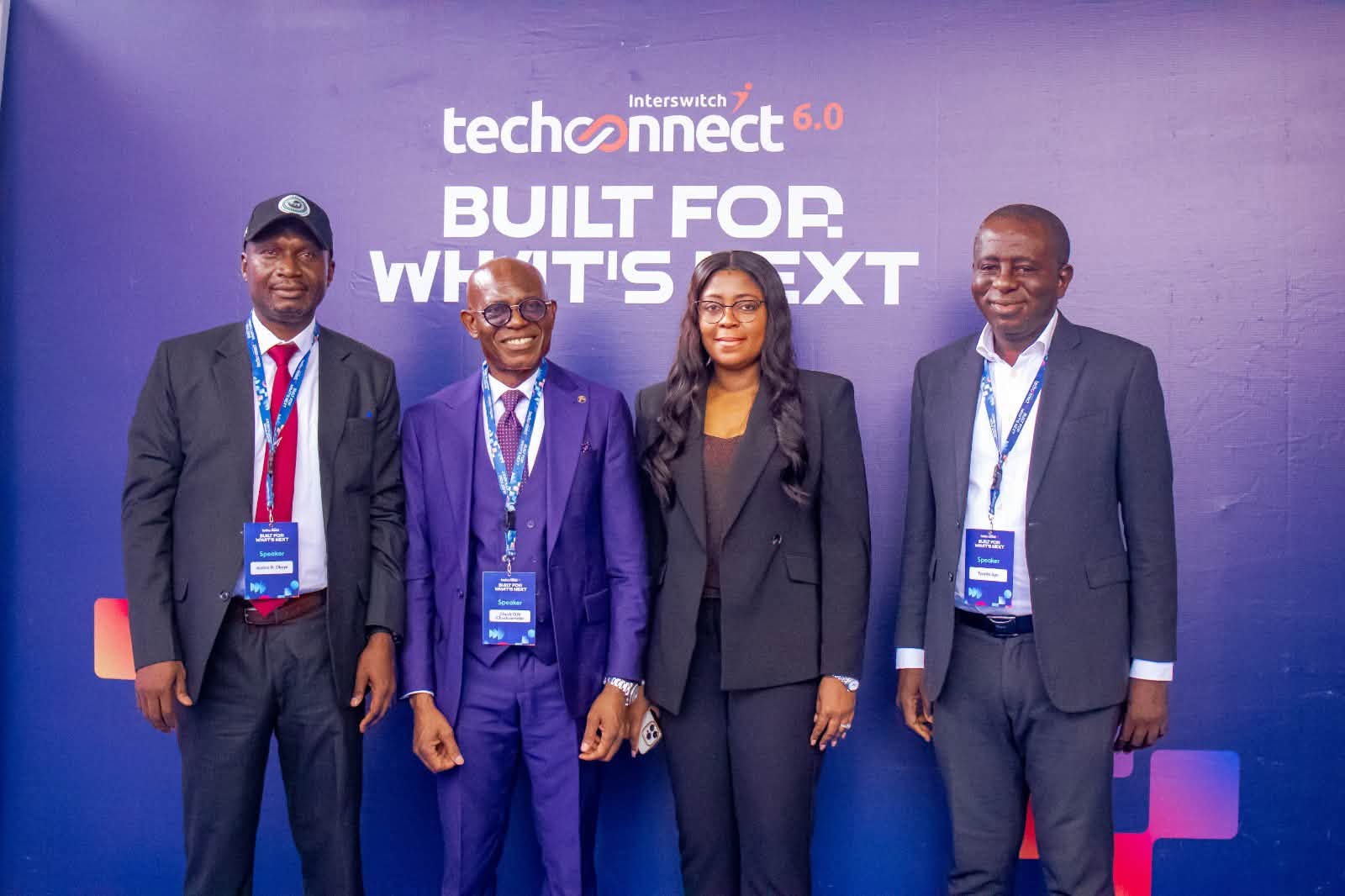
Interswitch will bring the sixth edition of its TechConnect industry series to Abuja on 13 October 2026, putting payment resilience, interoperability, cybersecurity and digital-commerce infrastructure before banks, fintech companies, public institutions and business leaders.
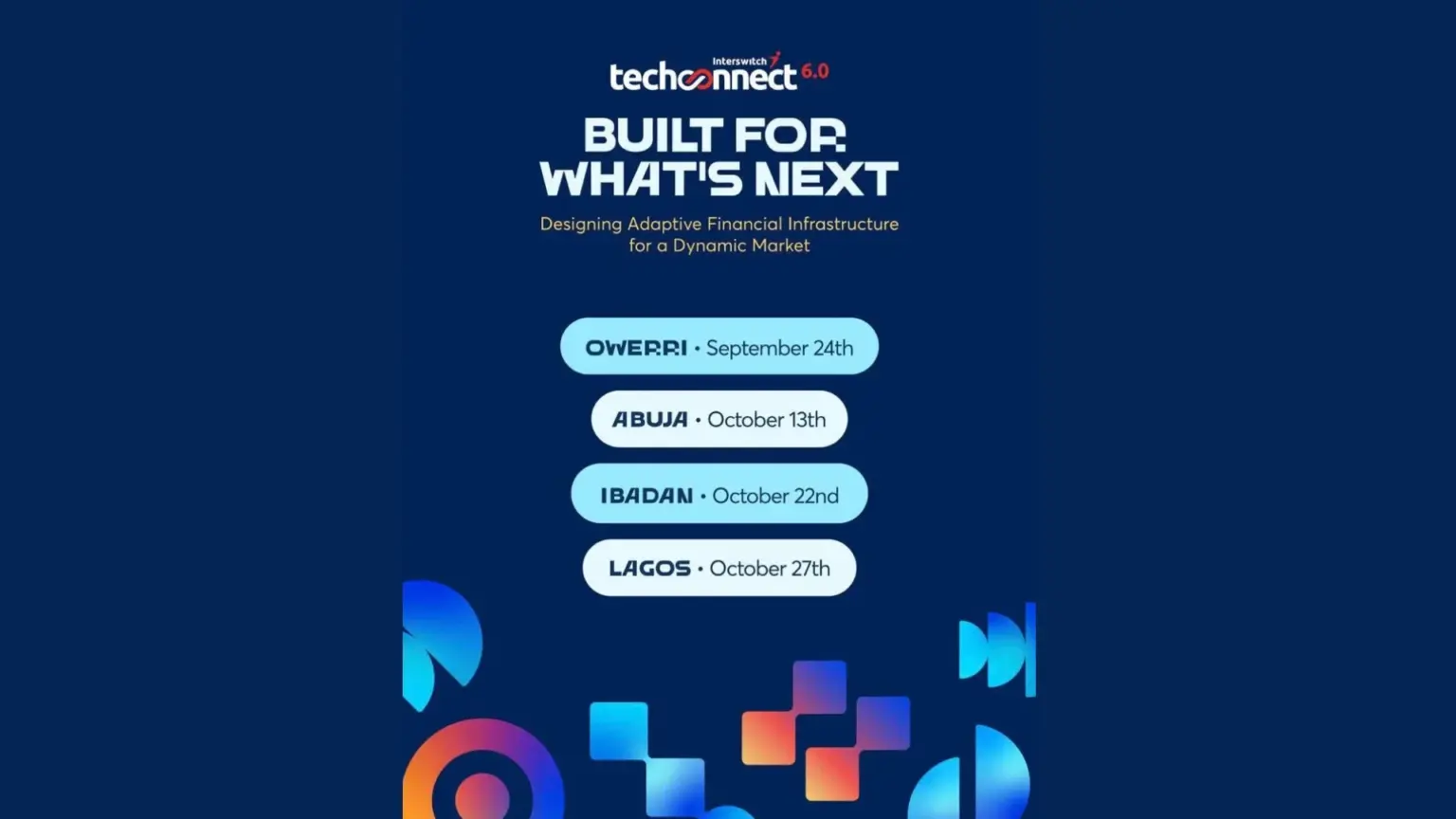
The company’s current event page lists Abuja as the second stop in a four-city programme that opened in Owerri and will continue to Ibadan and Lagos. The 2026 theme is “Built for What’s Next — Designing Adaptive Financial Infrastructure for a Dynamic Market.” Registration remains open through the organiser’s online form.
The date requires a clear source note. Earlier reports by The Guardian and Punch carried 8 October for Abuja. Interswitch’s current registration page, together with later reports by THISDAY and Vanguard, now lists 13 October. Businesses planning to attend should therefore rely on the organiser’s current page and reconfirm logistics before travelling.
Why adaptive payment infrastructure matters
For Abuja businesses, the commercial issue is broader than selecting a payment gateway. Companies increasingly depend on connected systems covering collections, invoicing, customer records, inventory, settlement, tax administration and digital service delivery. A weak integration between any of these layers can create failed transactions, manual reconciliation, delayed settlement and avoidable compliance risk.
Coverage of the opening TechConnect stop says the discussions have focused on infrastructure that can scale, remain available during disruption and connect with systems operated by different providers. The programme has also placed cybersecurity, data governance and inclusion alongside product demonstrations, reflecting the operational requirements facing financial institutions, merchants and government agencies as more transactions move online.
What Abuja businesses should examine
- Interoperability: whether a proposed solution connects reliably with existing banks, accounting tools, customer platforms and public-sector payment systems.
- Resilience: transaction uptime, fallback processes, recovery procedures and support arrangements during service disruption.
- Settlement and reconciliation: the timing, reporting detail and controls required to match payments with invoices or customer accounts.
- Security and data governance: responsibility for fraud monitoring, access controls, incident reporting, customer data and third-party integrations.
- Total operating cost: implementation, transaction, integration, support and migration expenses rather than headline pricing alone.
Commercial signals to test at TechConnect
The official programme promotes expert panels, practical case studies, technology demonstrations and networking across banking, fintech, payments, regulation and the wider business ecosystem. That creates potential value for Abuja-based merchants, startups, financial institutions, consultants and technology suppliers, but the strongest results will come from defined commercial questions.
Prospective participants should arrive with transaction volumes, failure patterns, reconciliation gaps, security requirements and expansion plans documented. Product demonstrations are more useful when tested against a real operating workflow, while partnership conversations should identify integration responsibilities, service levels, implementation timelines and measurable cost or revenue outcomes.
The organiser’s current page identifies CTOs, CFOs, CIOs, business strategists, financial analysts, fintech founders, innovation directors and regulatory specialists as intended participants. It does not currently state a public Abuja venue or attendance fee on the main event page, so registrants should confirm both directly through the official registration channel.
Before making a vendor decision
Attendance should not replace procurement discipline. Businesses evaluating a payment or infrastructure provider should request documented service levels, security certifications, settlement terms, integration requirements, escalation routes and customer references relevant to their transaction profile. A pilot with defined success measures can expose operational gaps before a wider rollout. Companies should also clarify who carries responsibility when a third-party connection fails, data is disputed or a fraud investigation delays settlement.
Related Reads
- Startup Village Nigeria 3.0 Brings Web3 Build Sprint and Demo Day to Abuja
- BUILD 2026 Opens Abuja Applications for AI Startups and Infrastructure Investors
- NCC Pushes for Bigger Digital Infrastructure Investment as Abuja Hosts Nigeria Connectivity Forum
Leave a Reply
You must be logged in to post a comment.